




Exposure to respiratory infections is inevitable in one's lifetime, especially at the peak of the annual flu season. Once exposed to an infected person, it is difficult to know if a virus has been passed on to someone else, since symptoms don't start showing immediately, and ongoing infection can still happen presymptomatically. As a result, the community spread of viruses such as the common cold and the flu is difficult to control. But what if symptoms can be detected beforehand to curtail the spread? Better still, are there non-invasive methods to achieve this?
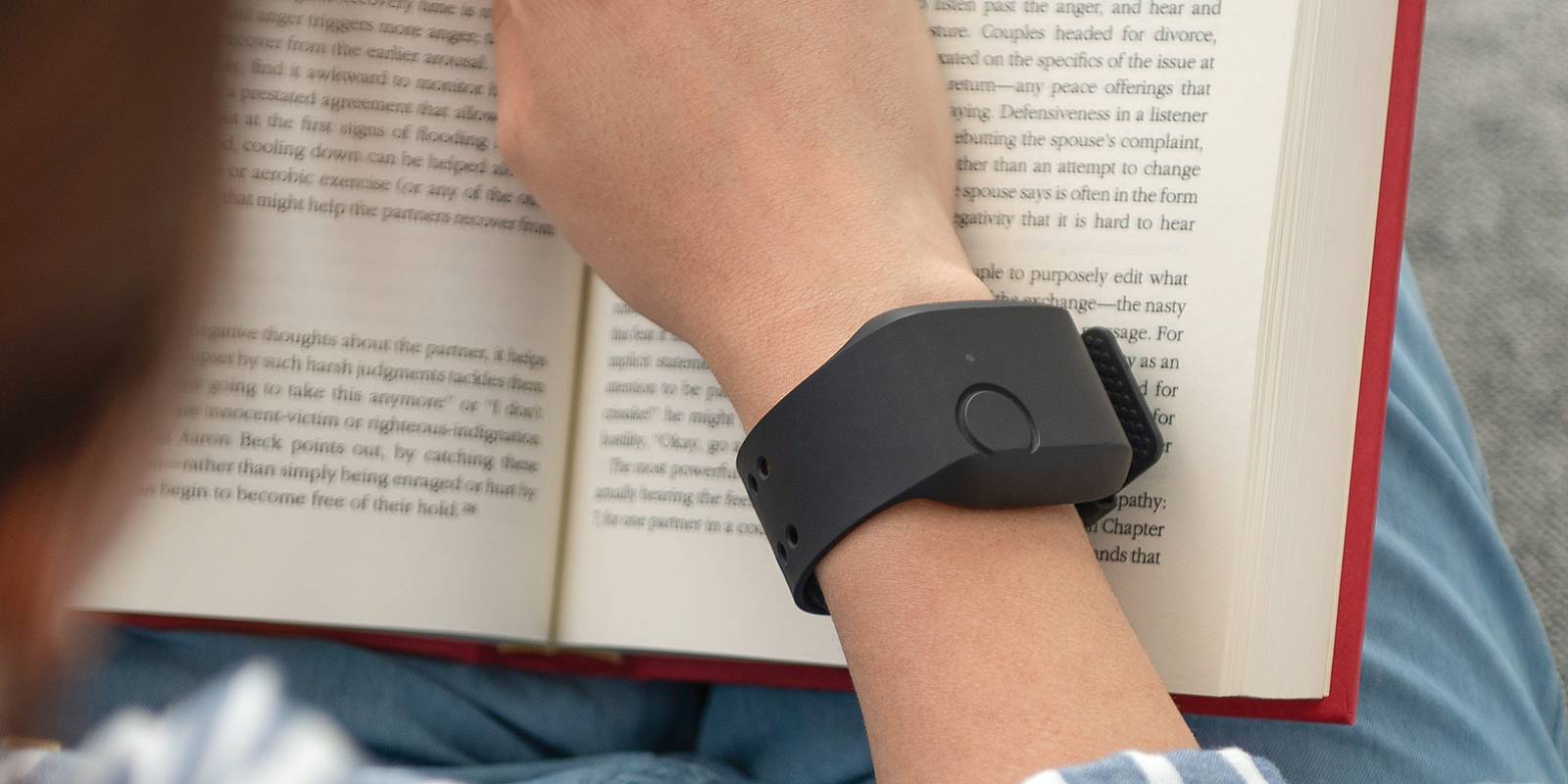
At the moment, there are no methods to detect viral respiratory infections in people that are asymptomatic. Researchers at Duke University, therefore, recently set out to study the feasibility of detecting viruses such as the common cold and influenza and predicting the severity of these infections before the onset of symptoms, using wearable technology. They developed Machine Learning models trained on physiological data collected with .