


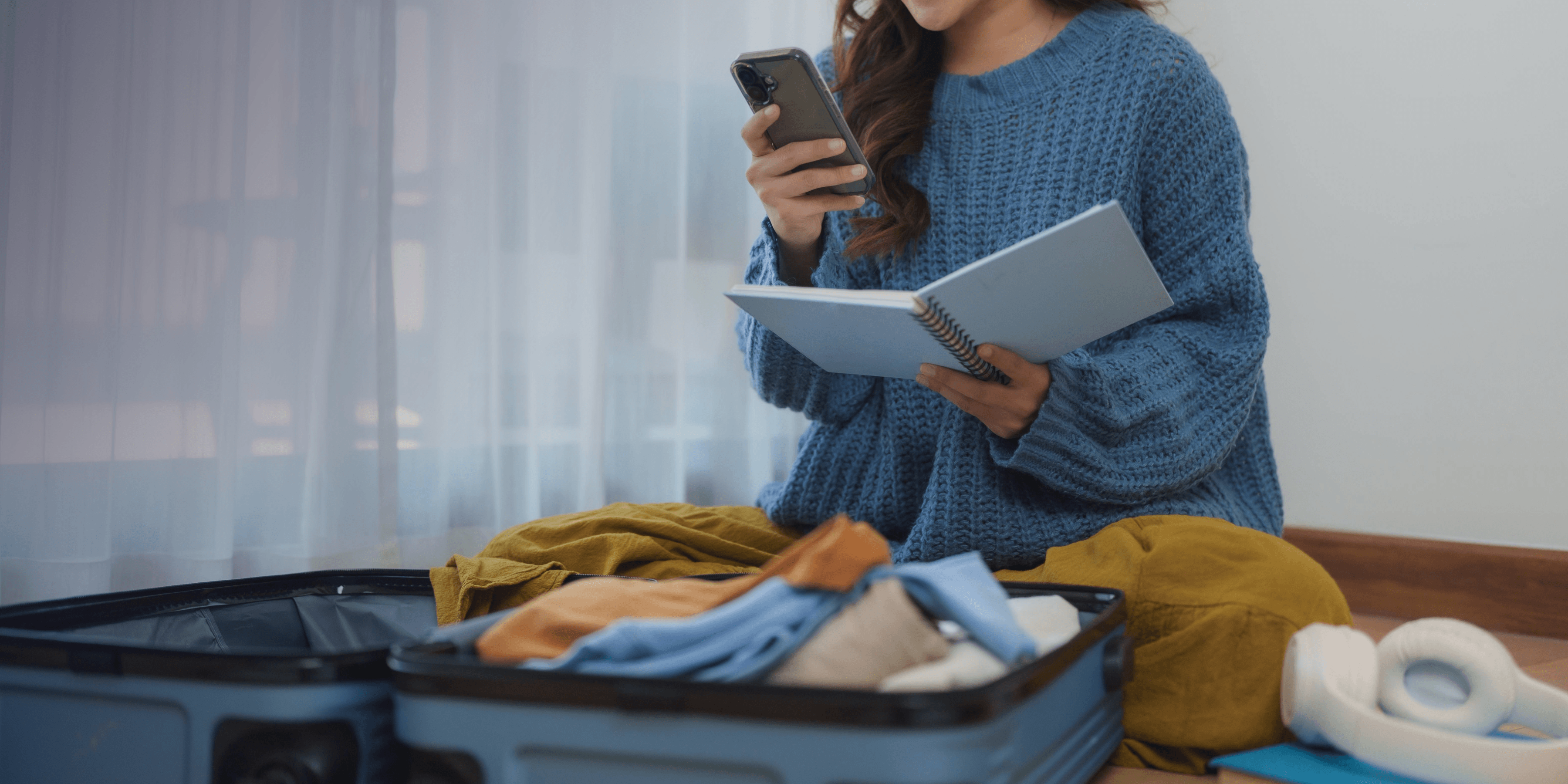
The bag is mostly packed. There is a flight to catch in the morning, and somewhere on the other side of a few hours of travel, a whole new city is waiting. For most people, the pre-trip checklist is refreshingly simple: passport, chargers, maybe a book they'll swear they're finally going to finish.
Traveling with epilepsy is absolutely possible. Many people with epilepsy explore both local and far-off places every year, trading routine for new streets, new food, and that particular thrill of turning a corner without knowing what's next. It just takes a bit of extra preparation and awareness to do it safely.
That preparation looks a little different for everyone, but it usually comes down to a few key things: antiseizure medication organized by dose and mapped against time zones and jet lag, reminders in place so a missed dose never becomes part of the itinerary, and a quick briefing for travel companions on seizure first aid, not because something is expected to go wrong, but because a few minutes of preparation buys a lot of peace of mind.
None of it has to be complicated, and it doesn't have to slow you down. Keep reading for travel hacks and must-haves that make trips like this easier.
Epilepsy travel preparation & conversations to have before you go
Most of the anxiety around traveling with epilepsy comes from uncertainty. The preparation that actually helps tends to be very specific.
Doctors & Medication
- Talk to your neurologist before the trip. Ask about managing medication timing across time zones and what to do if a dose gets missed
- Carry medications in original packaging with a signed letter from your prescribing doctor describing your condition and dosages
- Bring at least one week's extra supply
- For international travel, check whether your medications are legally permitted at your destination, since some antiseizure medications are controlled substances in certain countries
- If medication is lost or stolen mid-trip, contact your neurologist immediately
- The Epilepsy Foundation has practical guidance on navigating pharmacy access abroad
Travel Companions
If you're traveling with others, talk to them before you leave. It is a lot easier to explain things calmly ahead of time than to try to walk someone through it while they're worried and looking to you for direction.
It doesn't have to be a heavy conversation. Letting your travel companions know about your condition, walking them through the basics of seizure first aid, and telling them when it's time to call emergency services is often more than enough. It might feel a little awkward to discuss, but most people end up feeling more capable and less scared once they know what to do. It's a small conversation that pays off twice over; your travel companions feel prepared, and the people back home get a little peace of mind knowing that one informed friend nearby could make all the difference.
Getting there: what to know by method of transport
Flying
The main things to watch are sleep disruption from early departures or overnight flights, cabin dehydration, and the general stress of airports. Keep medications in your carry-on in original packaging with a doctor's letter. If you have a connection, build in buffer time rather than booking the tightest possible transfer.
Driving
If you have active seizures, you may not be legally permitted to drive depending on where you live and where you're traveling, so it's worth checking the specific rules before assuming you can share driving duties on a road trip. If you're a passenger on a long drive, the same triggers apply as anywhere else: stay hydrated, take breaks, and avoid skipping meals.
Train and bus
Generally lower stress than flying. The main thing to be aware of on a long journey alone is that you are more reliant on fellow passengers if something happens, so letting someone nearby know is worth considering.
Cruise and boat
Heat and sun exposure on deck can be significant triggers. It is also worth checking with your neurologist before you go whether any seasickness medication you're considering could interact with your antiseizure medication. When you board, it could be useful to find out where the medical bay is.
Managing triggers that travel creates
The Epilepsy Foundation explains that disrupted sleep is one of the most consistently cited seizure triggers, and travel almost always gets in the way of a consistent sleep schedule. Until you are familiar with what works best for you, consider factoring in a recovery day after a long-haul flight and choosing routes that will not be too draining.
On a podcast with Cure Epilepsy, Dr. Steven Karceski explained that sleep measurement, available through various modern wrist-worn devices, has become key in monitoring seizure activity throughout the night. Seeing concrete sleep data throughout a trip helps people recognize patterns and adjust, which is especially useful across time zones.
Heat is another trigger to watch out for, especially on summer trips or anywhere warmer than you are used to. High temperatures can affect seizure threshold, and sun exposure and physical activity on top of that can compound things (Epilepsy Society, 2024). It helps to plan time outside earlier in the morning or later in the afternoon, keep water on you, and stay in the shade where you can. If you are heading somewhere significantly hotter than home, it is worth mentioning to your neurologist before you go.
Staying connected to your support system from a distance
Living with or caring for someone with epilepsy builds a kind of awareness over time: a parent who notices a particular tiredness before a seizure, a roommate who just knows when something's off. That familiarity is hard to replicate from a distance, no matter how good the phone signal is.
When you travel, the people who have built that awareness are not there to notice it anymore. It is worth acknowledging: this is often harder on the people staying home. A parent who's spent years managing appointments and medication does not stop caring just because their child is off exploring a new city. That worry does not undo the independence; it just means both people are navigating something new together.
Constant check-ins usually aren't the answer; those could get tiring fast and can start to feel more like monitoring than care. What helps more is a sense of knowing that if something happened, the right people would know and might even be able to help.

EpiMonitor may make travel easier
Peace of mind is really what this comes down to, for the person traveling and for the people waiting to hear from them, and seizure monitoring devices are designed to help provide this.
EpiMonitor is a wrist-worn device that detects possible generalized tonic-clonic seizures and sends a real-time alert with GPS location to notify chosen contacts if one happens. With up to 7 days of battery life, it could cover a full trip without needing to be charged mid-week. In the case of an emergency, the person traveling doesn't have to remember to text anyone. The person at home doesn't have to wonder. If something happens, they hear about it close to when it happens, not hours later.
Along with the planning, the conversations, and the preparation, EpiMonitor is just one more way of staying connected to the people who matter, even from a distance.
Frequently asked questions:
Here are some of the most common questions people have about traveling with epilepsy:
Is it safe to fly by plane with epilepsy?
Good practices include building extra time into layovers and keeping all medication in carry-on luggage in case checked bags are delayed, and staying well hydrated throughout the trip, since dehydration is a recognized seizure trigger. For more information, visit the Aerospace Medical Association’s Health Tips for Airline Travel.
Do you have to tell the airline you have epilepsy?
While it is not required to disclose that you have epilepsy, the Aerospace Medical Association highly recommends informing your airline. Many people opt for this option since airlines may give preference for seating options on the plane, let the crew know to be more prepared, and offer assistance at the airport. If you have had a seizure recently, some airlines might require your doctor to grant medical clearance to fly.
Can a seizure monitoring device help while traveling with epilepsy?
Yes, mainly by keeping the people who are around you informed without you having to manage that yourself. Epilepsy Alarms UK calls out the additional benefits of seizure monitoring devices like GPS tracking and informing emergency services if needed.
Does travel insurance cover epilepsy-related emergencies?
Young Epilepsy has a lot of information breaking this down, but generally it depends on the policy. Standard travel insurance doesn't automatically cover pre-existing conditions, and epilepsy is generally classified as one. It is typically best to look specifically for policies that offer pre-existing condition coverage or medical evacuation coverage, and you should disclose your epilepsy when purchasing a policy, since failing to do so can void a claim later. Reading the policy's specific exclusions before a trip is worth the time it takes.
What should you do if you are traveling alone and have a seizure?
Being as prepared as possible is important here. Make sure to have some sort of medical ID such as a card, phone lock screen note, or bracelet so bystanders or emergency services have context during a seizure. If you feel an aura coming on, find a place to sit down and contact emergency services or a trusted person if you are able. It is best not to wander around after a seizure since you might be disoriented.
Can people with epilepsy travel alone?
Yes, and a lot of people regularly do. Young Adults with Epilepsy agrees that solo travel with epilepsy is absolutely possible; it just needs more intentional preparation to make travel safer and reduce seizure risks. In addition, someone at home should know the itinerary and have a loose sense of when to expect a check-in, ideally with accommodation that has on-site staff rather than something fully remote. Being thoughtful about solo activities with inherent risk, such as swimming alone or hiking, is important too.
Going anyway
Epilepsy does not have to mean staying close to home, and for a lot of people, it doesn't. Weekend trips, city breaks, long-haul adventures, work travel, study abroad; people with epilepsy are out there doing all of it. It takes a little more planning, sure, but most find that once they have their routine down, travel starts to feel a lot more straightforward than they expected.
The support available has come a long way too. Between neurologists who know the right questions to ask, epilepsy awareness organizations, and technology that keeps loved ones in the loop from anywhere, there is more help available than ever before. So if you have been thinking about a trip and wondering whether it is realistic, it very likely is. Start with the preparation, lean on the resources, and go enjoy it!