



Last week we hosted our inaugural Empatica Summit at the MIT Media Lab, bringing together leaders across pharma, academia, regulatory, and clinical care to explore the evolving role of digital biomarkers and continuous health monitoring.
Our goal was simple: bring some of the smartest people in the field together, prepare thoughtful content, and create a welcoming space for candid conversations about where the field stands and what it will take to move it forward.
Throughout the day, speakers shared how continuous data is being applied across pain, inflammatory bowel disease, sleep, eating disorders, narcolepsy, epilepsy, and Parkinson’s disease. They explored the progress being made, the barriers, and the work required to translate promising research into tools that can ultimately improve patient care.
The conversations covered a wide range of therapeutic areas, but several key themes ran throughout.
1. Digital biomarker strategies are being built for lasting impact
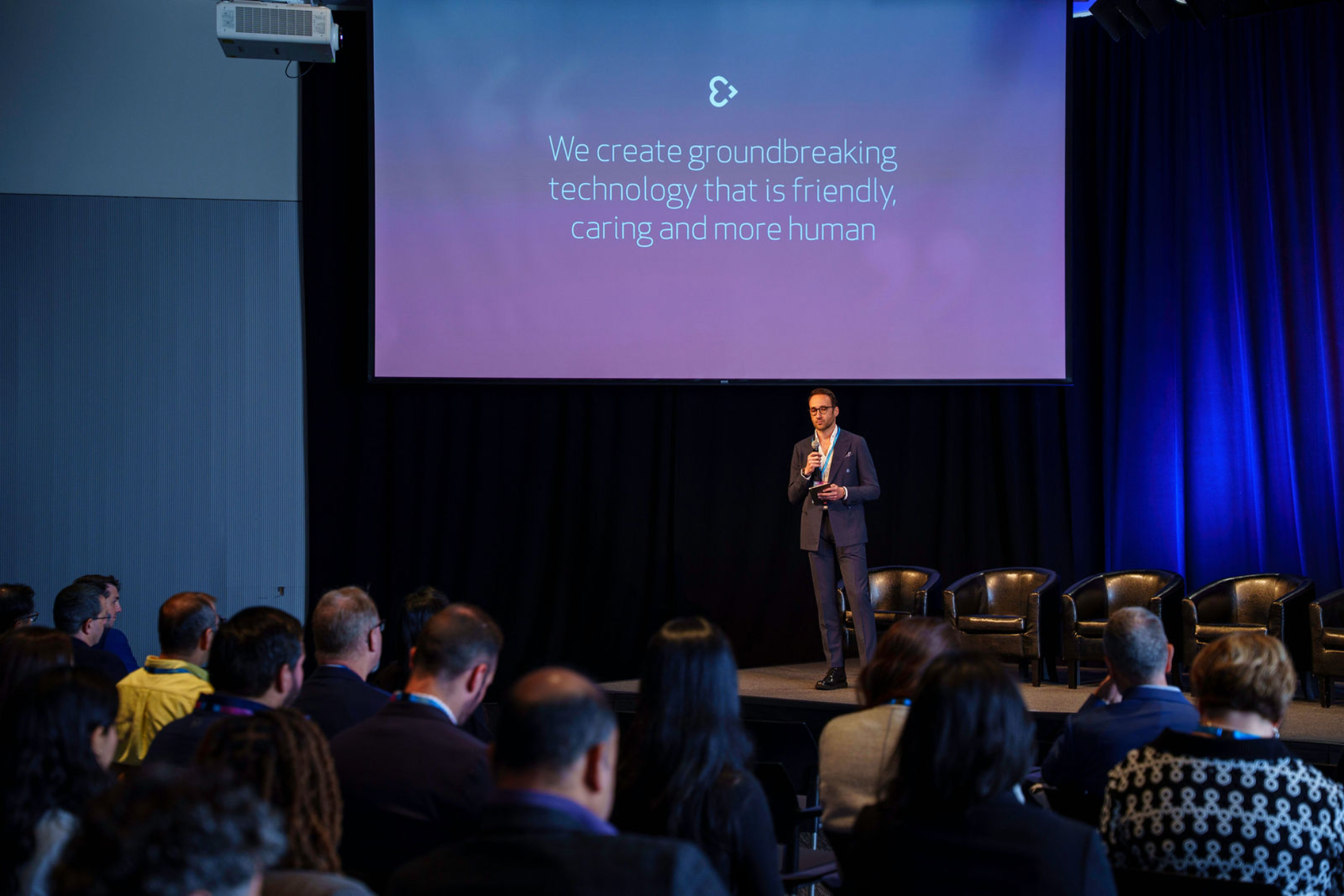
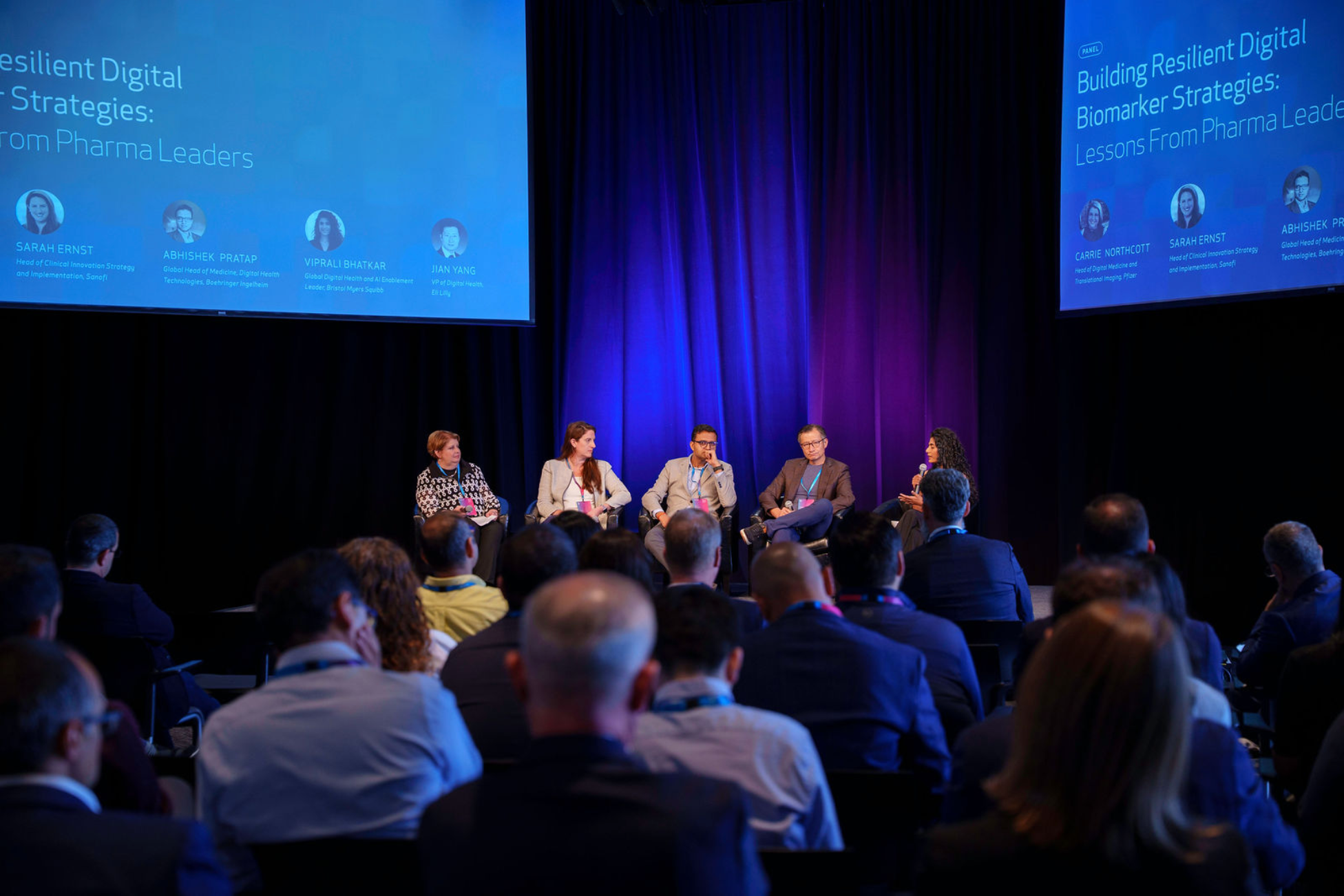
The day began with digital health leaders from Eli Lilly, Pfizer, Sanofi, Boehringer Ingelheim, and Bristol Myers Squibb reflecting on how their organizations’ approaches to digital biomarkers have evolved.
Moderated by Carrie Northcott of Pfizer, the panel explored a shift already underway across the industry: digital measures are moving from a “nice to have” within individual studies to a more integral part of clinical development strategies. That evolution is also changing how companies think about long-term value. The algorithms, infrastructure, evidence, and expertise developed for one program can support future programs, giving companies a digital measurement strategy that lasts beyond any single study.
Important challenges remain, including regulatory uncertainty and the complexities of deploying continuous monitoring across thousands of participants, sites, and countries. But the conversation offered reasons for optimism. With a growing body of evidence to build on, companies are becoming better equipped to scale digital biomarker strategies.
Speakers:
- Carrie Northcott, Head of Digital Medicine and Translational Imaging, Pfizer
- Sarah Ernst, Head of Clinical Innovation Strategy and Implementation, Sanofi
- Abhishek Pratap, Global Head of Medicine, Digital Health Technologies, Boehringer Ingelheim
- Jian Yang, Vice President of Digital Health, Eli Lilly
- Viprali Bhatkar, Senior Director and Global Digital Health Lead, Bristol Myers Squibb
2. Regulatory confidence must be built collectively
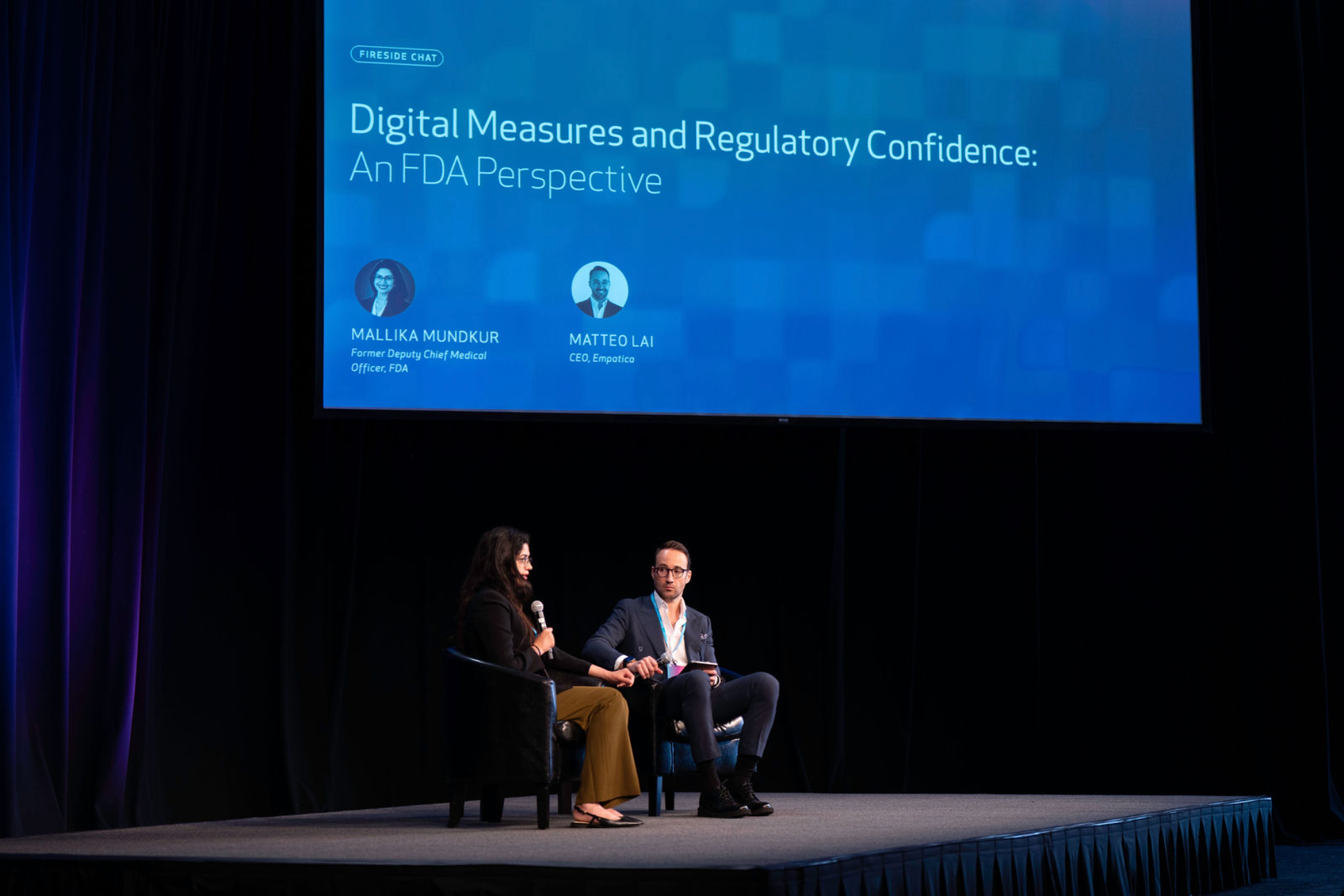
Mallika Mundkur, former Deputy Chief Medical Officer at the FDA, joined Empatica CEO and co-founder Matteo Lai for a candid conversation about the regulatory path for digital measures.
Their discussion focused on a challenge familiar across the industry: while regulators increasingly recognize the potential of digital measures, sponsors do not always have a clear or consistent path for incorporating them into drug development programs.
Today, a digital endpoint is often developed and evaluated within a single drug program. If that program does not advance, or if the timelines for the drug and the measure do not align, the evidence generated may not easily carry over to another sponsor or study. This can lead companies to address many of the same scientific and regulatory questions independently.
The conversation explored what it will take for a digitally collected measure to serve as a primary endpoint in a successful drug approval. Strong evidence, clearly defined contexts of use, and early engagement with regulators will all be important. Greater collaboration across the field could also help accelerate progress.
3. Continuous monitoring is expanding our understanding of health
Several sessions showed how continuous data can help researchers study symptoms and disease changes as they occur in everyday life, not only during scheduled visits.
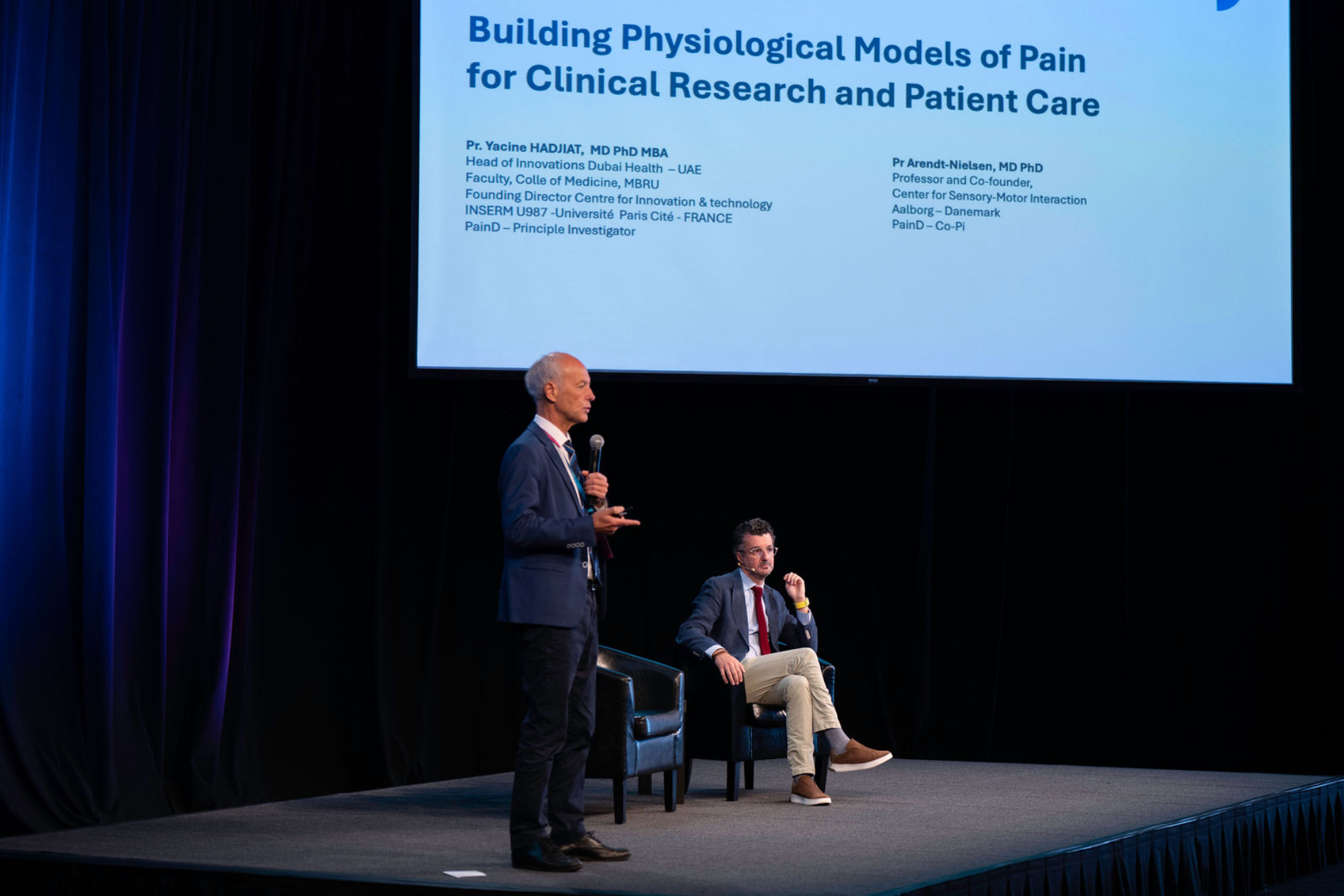
Yacine Hadjiat of Dubai Health and Lars Arendt-Nielsen of Aalborg University focused on pain, one of healthcare’s most complex measurement challenges. Since pain is subjective and can vary considerably throughout the day, occasional assessments often provide only a limited view of a patient’s experience. Their session explored how physiological data could support more objective and responsive measures while remaining grounded in what patients feel and report.
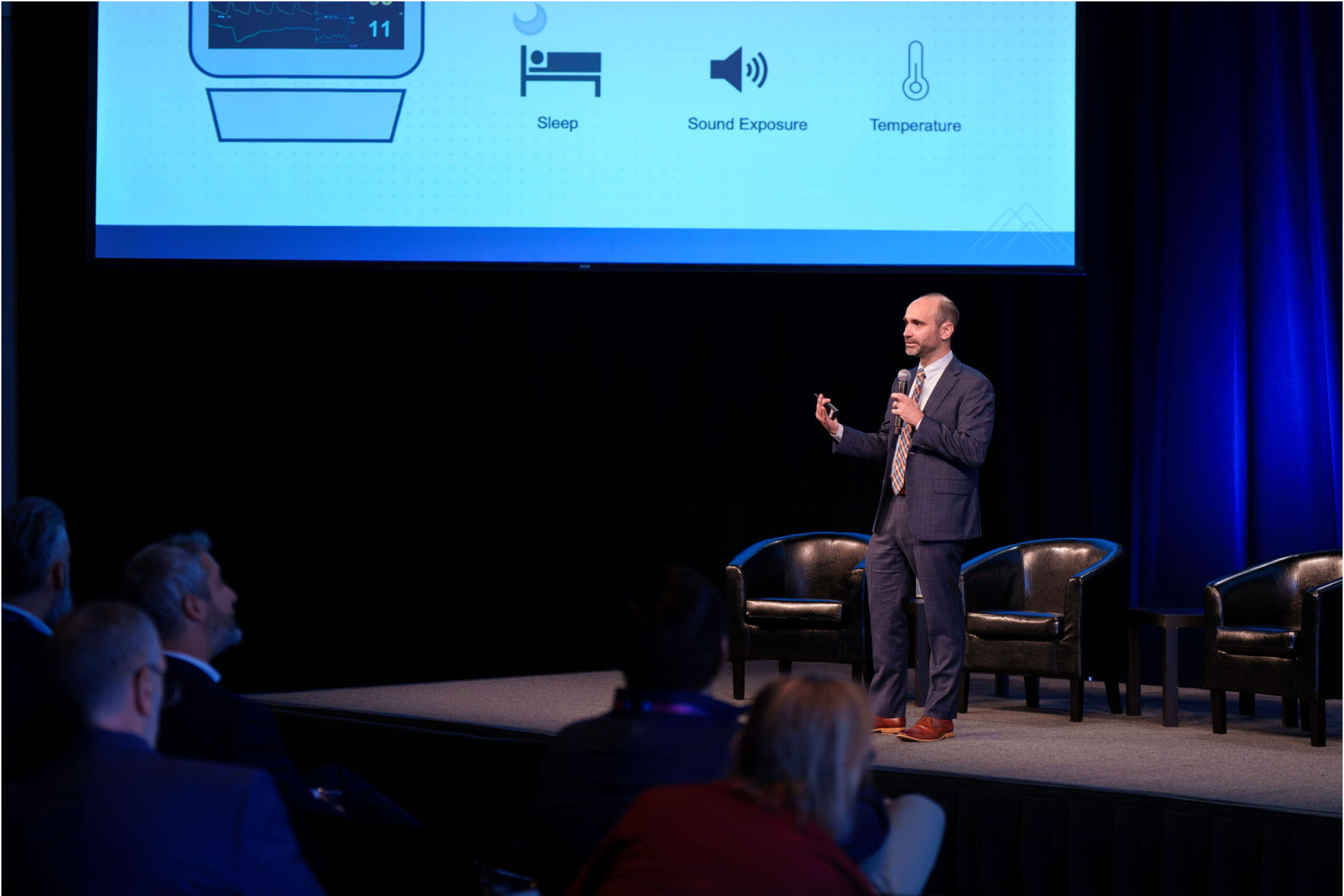
Robert Hirten of Mount Sinai examined how wearable data and deep learning can help detect changes associated with chronic inflammatory diseases. Using inflammatory bowel disease as a central example, he shared how patterns in sleep, heart rate, and heart rate variability may offer insight into disease activity and treatment response between visits.
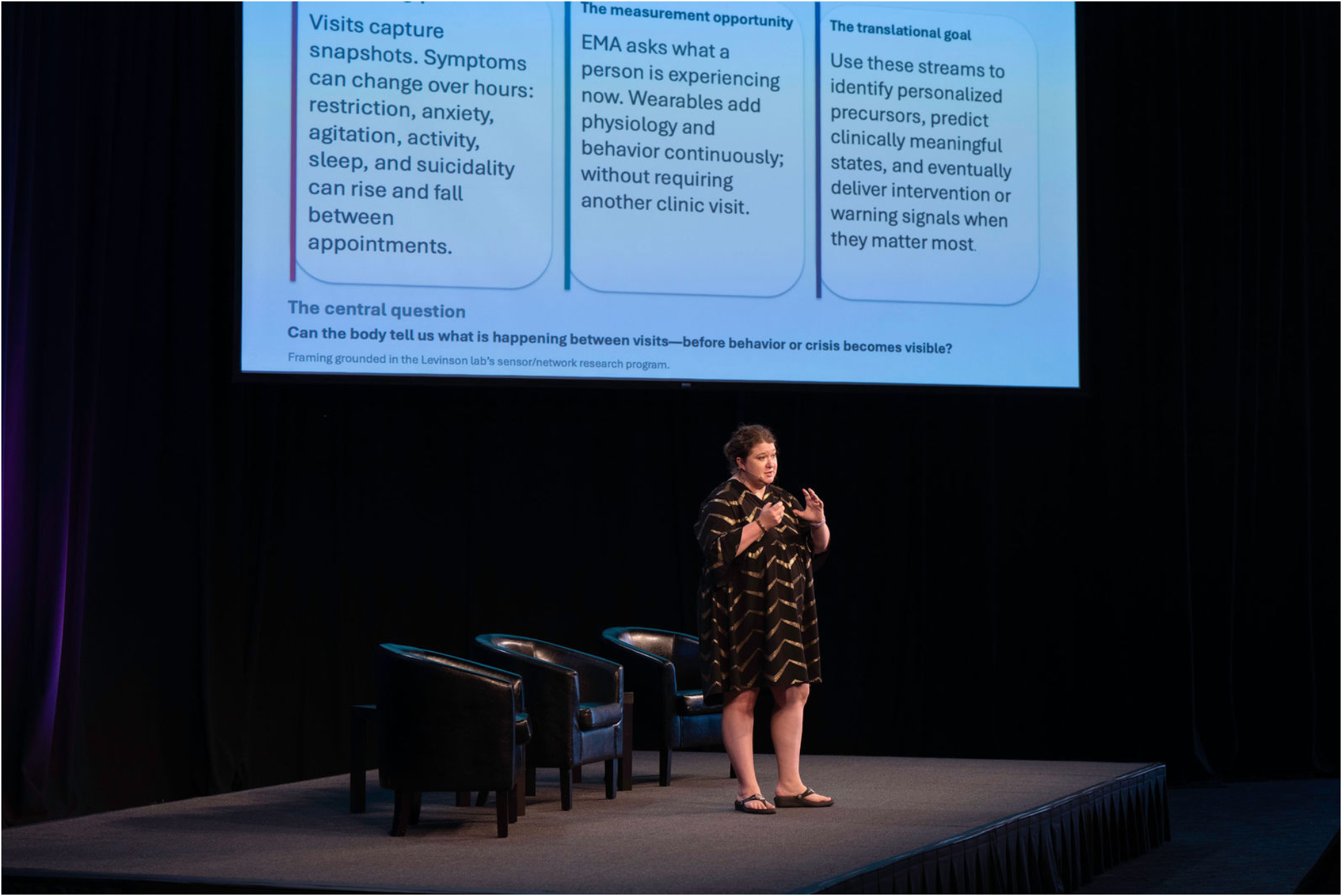
Cheri Levinson of the University of Louisville discussed the use of continuous monitoring in eating-disorder research, including work focused on suicide risk among people with anorexia. Her presentation highlighted the potential for physiological and behavioral data to deepen our understanding of complex conditions, along with the responsibility required to interpret those data carefully.
Across three different areas of health, the sessions pointed to the same opportunity: continuous monitoring can give a more complete picture of how symptoms, behaviors, and disease activity change over time.
4. Recognition of wearable value is growing
The Summit repeatedly returned to the importance of purpose.
Collecting continuous data is not the end goal. The value lies in using that data to answer questions that matter to researchers, clinicians, sponsors, and patients, such as: Does a therapy work? Is a patient improving, and what does "better" actually look like in someone's daily life?
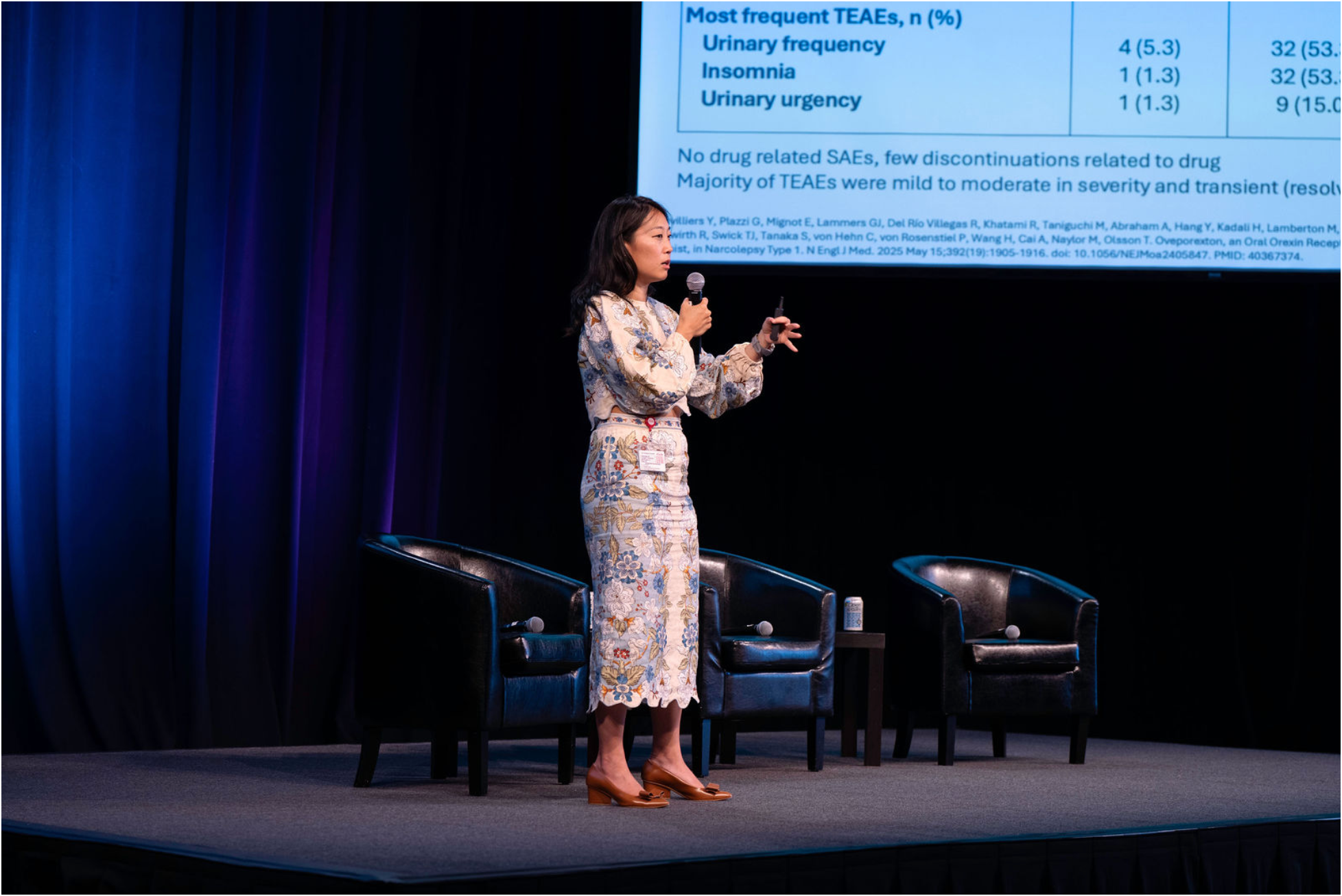
Alice Cai of Takeda shared the development story behind oveporexton, the first FDA-approved drug designed to address the underlying orexin deficiency that causes narcolepsy type 1. She also discussed how Empatica’s EmbracePlus was used in the Phase 2 trial, offering a timely example of how continuous wearable data can support the development and validation of a new class of treatment.
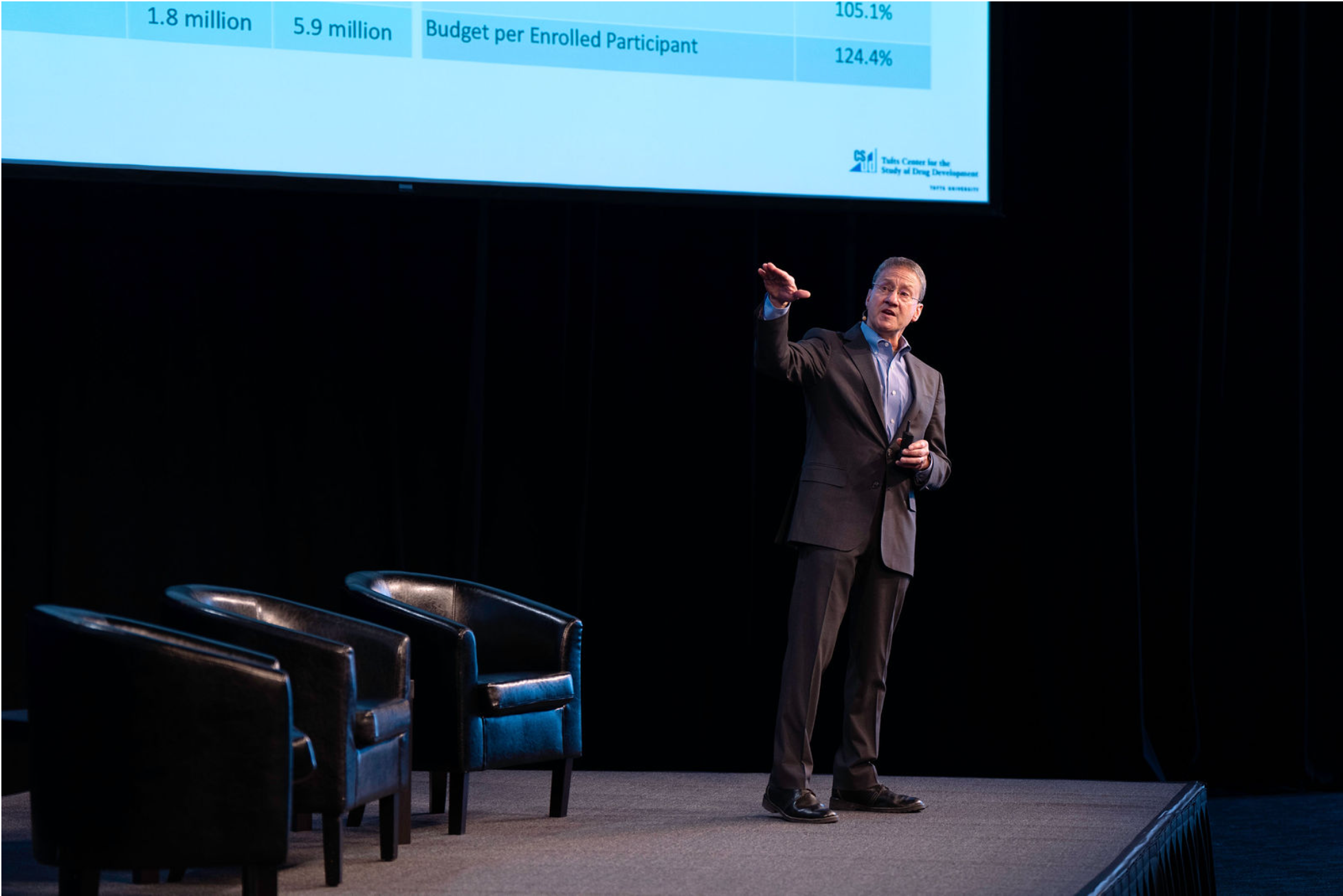
Kenneth Getz of the Tufts Center for the Study of Drug Development examined wearables from an operational and economic perspective, looking at their potential value across trial execution, participant experience, data quality, efficiency, and cost.
The question is no longer simply whether the technology works, but how to demonstrate its value and integrate it effectively into clinical research and care.
As the evidence grows, wearables have the potential to make trials more efficient, reduce participant burden, and provide a more complete picture of health.
5. Clinical data should complement lived experience
The afternoon turned to epilepsy and Parkinson’s disease, two areas where continuous monitoring is creating new opportunities to understand symptoms outside the clinic and support more informed care.
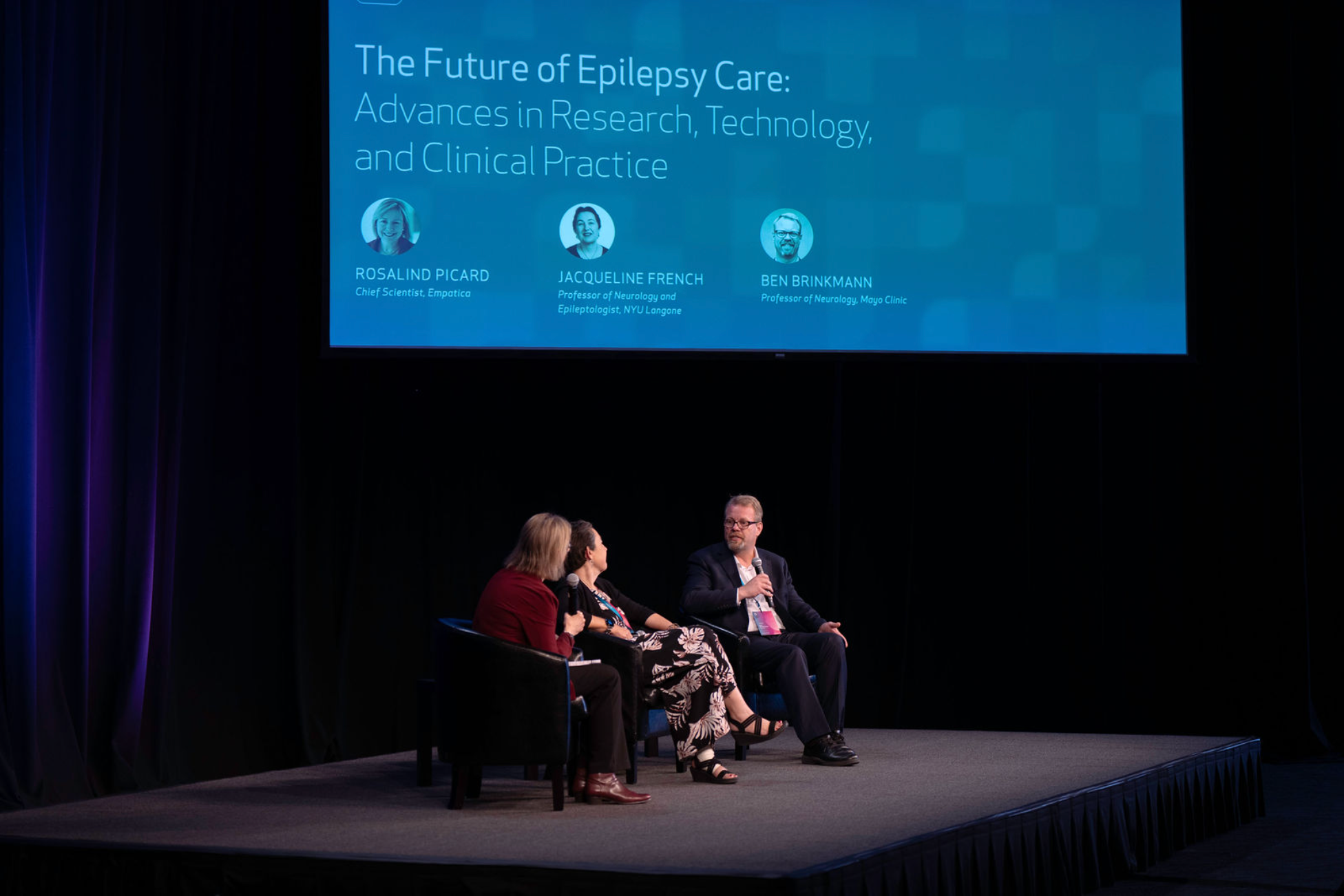
Roz Picard of Empatica joined Jacqueline French of NYU Langone and Ben Brinkmann of Mayo Clinic to explore advances in epilepsy monitoring. The panel highlighted advances in seizure forecasting, including how continuous wearable data can help identify periods of elevated seizure risk and bring more actionable insights into care. They also discussed the growing role of wearables in clinical trials, where digital measures can provide a fuller, more objective picture of seizures alongside patient-reported diaries.
They also considered how to make these insights useful to clinicians. Continued progress in education, policy, reimbursement, and research could help bring these technologies into routine care and make them accessible to more people with epilepsy.
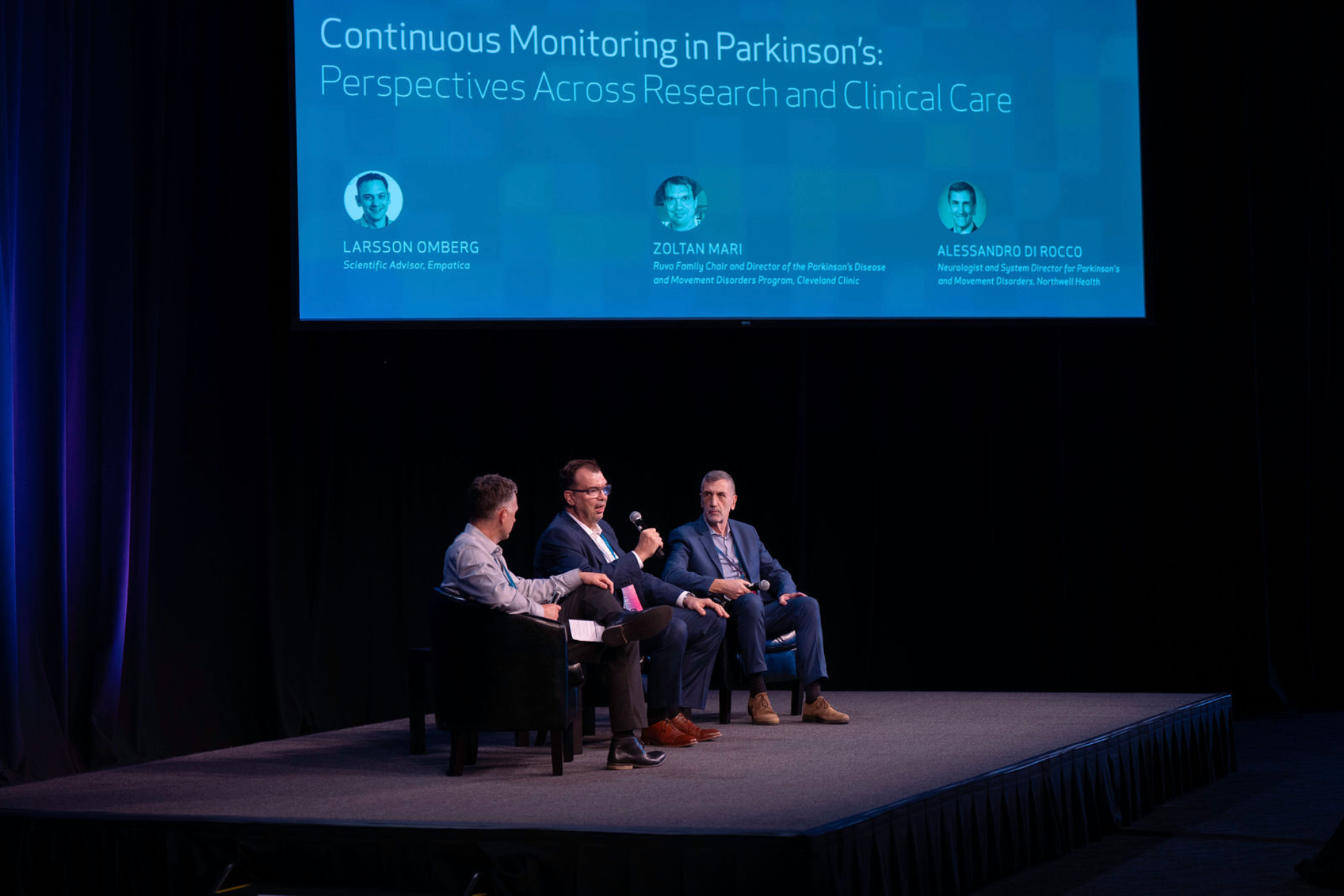
The final panel focused on continuous monitoring in Parkinson’s disease. Zoltan Mari of Cleveland Clinic and Alessandro Di Rocco of Northwell Health joined Empatica’s Larsson Omberg to discuss how the technology is already reshaping the assessment of Parkinson’s and where it could have the greatest impact in care, research, and treatment development.
A central theme was the relationship between objective data and lived experience. Digital measures can make patterns in symptoms and treatment response more visible, while patients, caregivers, and clinicians provide the context needed to understand what those patterns mean.
6. Human data can tell a story beyond the clinic
Refik Anadol, co-founder of Dataland, brought a completely different perspective to the day. His session explored how physiological data can become an artistic medium through the Dataland × Empatica collaboration, transforming signals from the human body into an immersive creative experience where the art talks back.

Amid conversations about clinical trials, regulation, research, and patient care, the session offered a powerful reminder of what these data ultimately represent. Behind every signal is a human life, filled with movement, emotion, experience, and change. Data can help us measure health, but it can also reveal something deeply personal about what it means to be human.
Moving the field forward, together
The Summit did not produce one simple answer to the challenges facing digital measures. That was never the intention. Instead, it created space for people approaching those challenges from different perspectives to learn from one another.
Researchers shared emerging evidence. Pharma leaders discussed the realities of implementation. Clinicians explored how continuous data can support more informed care. Regulatory expertise brought attention to the rigor required for broader acceptance. Across every conversation, the same message came through: meaningful progress depends on strong evidence, shared ambition, and collaboration across disciplines.

Across the Summit, one thing was clear: digital measures are changing how we study health, run clinical trials, and care for patients. We’re grateful to everyone who brought their expertise to the room and helped move these conversations forward.