
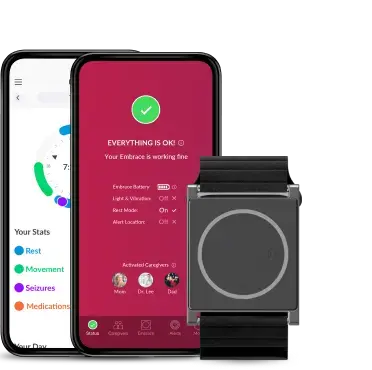

Transforming Sleep Assessment in Clinical Trials with Wearables and Digital Endpoints
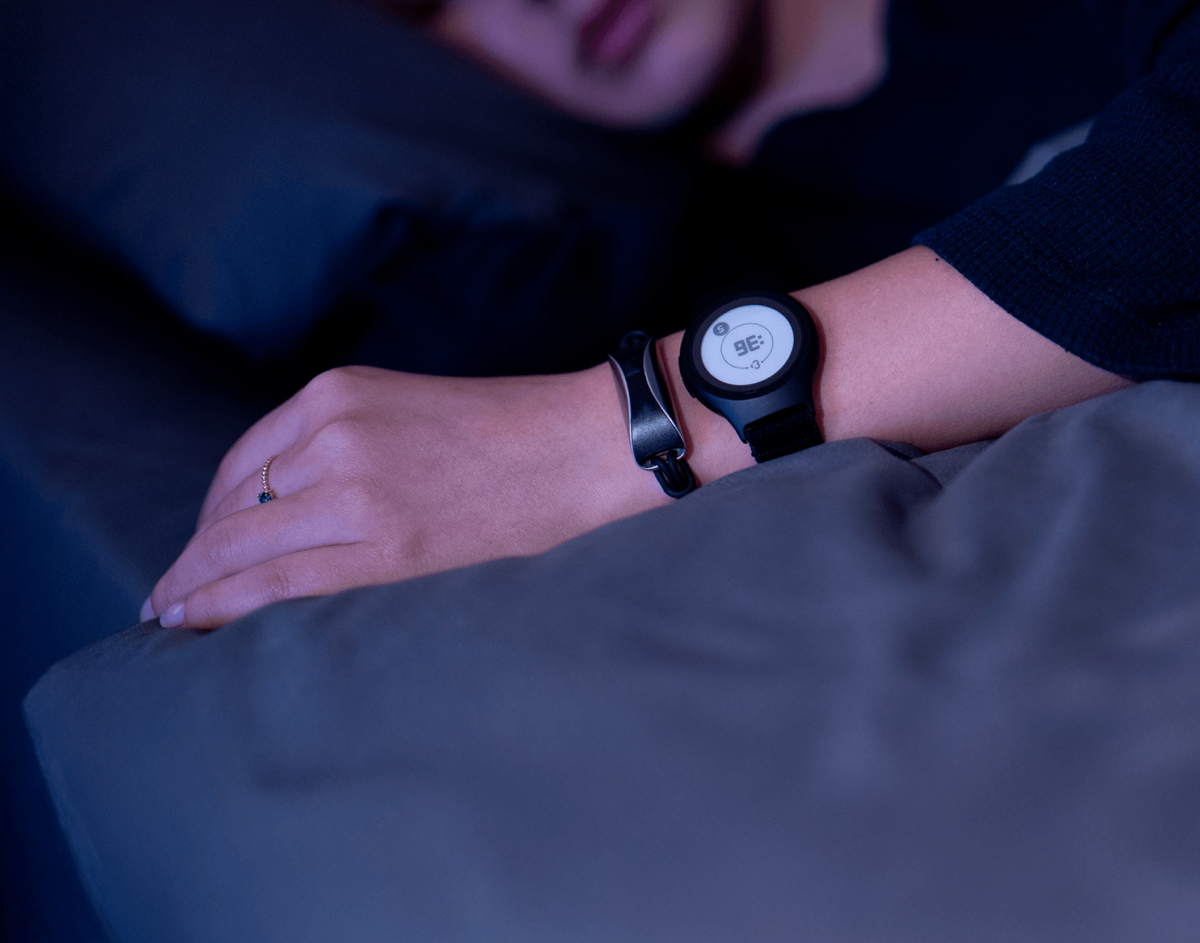
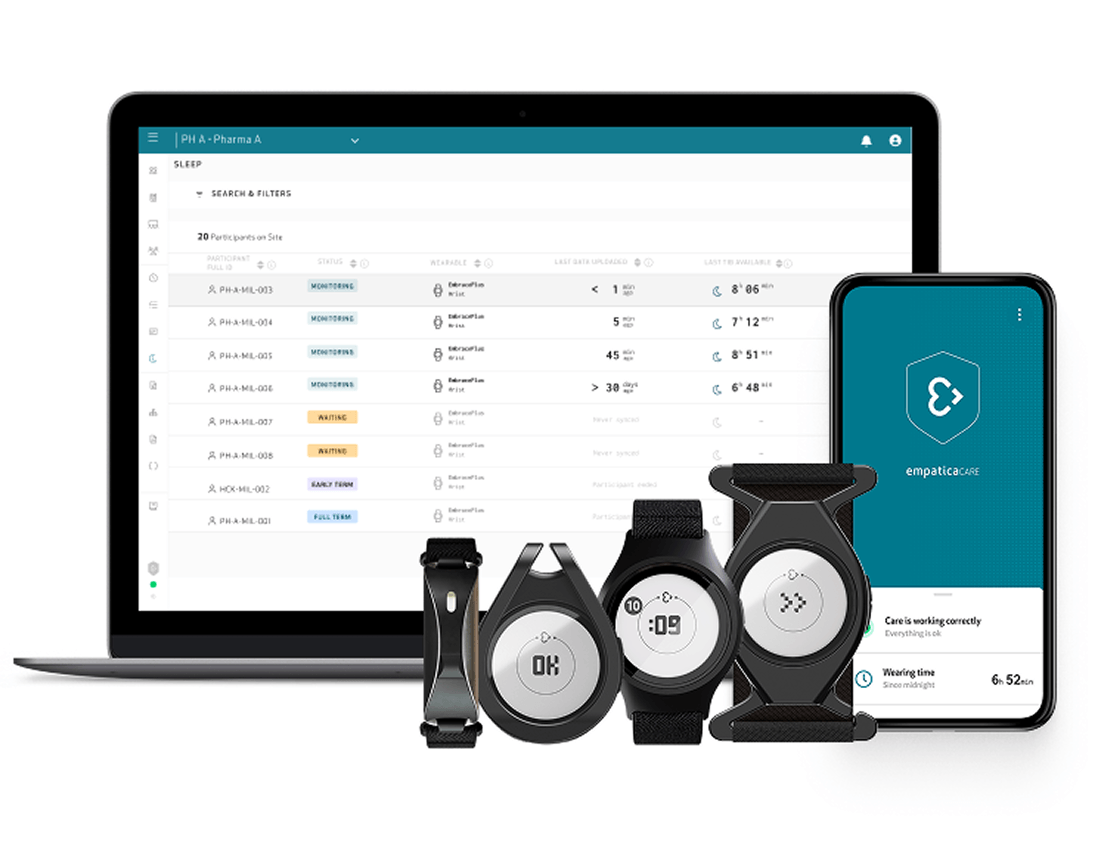
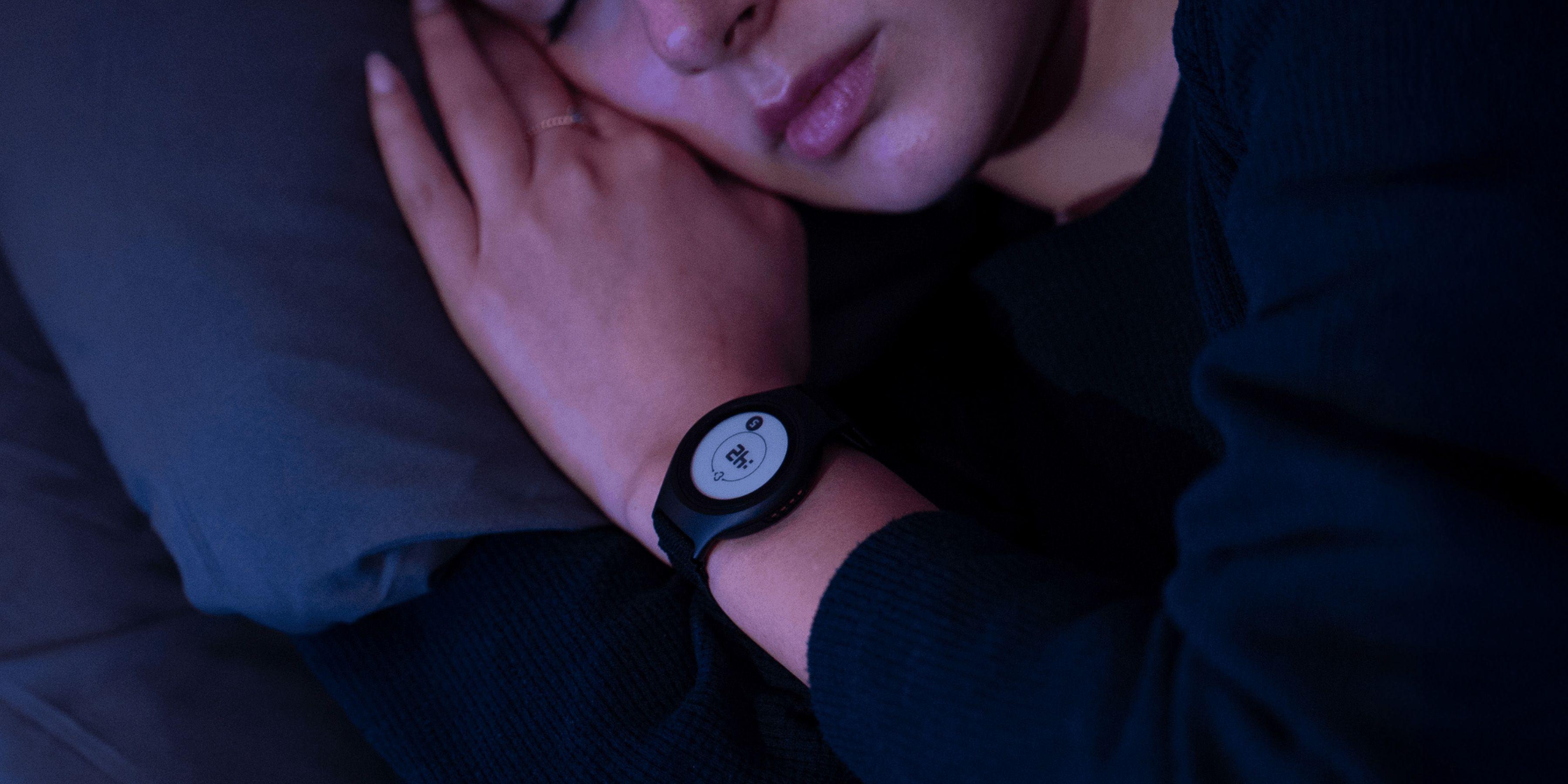
Sleep studies are evolving from single-night, lab-based assessments to continuous, real-world monitoring powered by wearable technology. By combining polysomnography with validated digital endpoints, clinical trials can achieve a more complete, longitudinal understanding of sleep and its impact on health outcomes. Empatica's clinical-grade wearables and platform are designed to enable this hybrid approach, extending sleep measurement beyond the lab into real-world settings.
What is a sleep study and how does it work?
Why wearable sleep monitoring matters in clinical trials
Wearable technologies enable a shift from episodic to continuous sleep measurement, supporting more patient-centric and scalable trial designs. Key advantages include:

Continuous monitoring
Capture sleep over days or weeks, not just single nights
Real-world relevance
Measure sleep in natural environments
Improved sensitivity to change
Capture longitudinal trends and subtle treatment effects over time
Reduced patient burden
Enable remote and decentralized trials
Enhanced endpoint quality
Provide objective, high-frequency data
Core digital sleep endpoints and biomarkers
Digital endpoints derived from wearable devices provide objective measures of sleep quantity, quality, and related physiological processes. Empatica’s clinical-grade wearables and platform support the collection of a broad set of validated sleep and physiological biomarkers, enabling consistent, high-quality endpoint generation in clinical trials. Key sleep metrics include:
- Total sleep time (TST)
- Sleep efficiency
- Sleep onset latency (SOL)
- Wake after sleep onset (WASO)
- Sleep fragmentation index (SFI)
- Sleep interruptions and wake bouts
- Circadian rhythm stability
- Time in bed (start/end)
Sleep as an endpoint across therapeutic areas in clinical trials
Sleep is increasingly recognized as a clinically meaningful endpoint across multiple therapeutic areas, not only in primary sleep disorders but also in conditions where sleep disruption affects symptoms, functioning, treatment response, or quality of life. In clinical trials, sleep can be used as a primary, secondary, or exploratory endpoint depending on the indication, mechanism of action, and study design.

Oncology
Sleep disruption is highly prevalent in oncology and may be influenced by pain, fatigue, anxiety, treatment burden, corticosteroids, hospitalization, and circadian disruption. Poor sleep can affect daily functioning, emotional well-being, and perceived quality of life throughout treatment.
In oncology trials, sleep may be relevant as:
- A tolerability endpoint during treatment
- A quality-of-life endpoint alongside fatigue and symptom burden
- An exploratory endpoint in supportive care or survivorship studies
- A marker of treatment-related change over time
Wearable monitoring can help quantify sleep patterns longitudinally and complement electronic clinical outcome assessments (eCOA), especially when subjective sleep quality and objective sleep continuity do not fully align.

Neurology
Sleep is deeply intertwined with neurological disease and may reflect both disease pathology and treatment effects. Sleep disturbances are common in conditions such as Parkinson’s disease, epilepsy, stroke recovery, neurodegenerative disorders, and REM sleep behavior disorder.
In neurology trials, sleep can be relevant as:
- A disease-related outcome
- A marker of progression or symptom burden
- A treatment response indicator
- A complementary endpoint linked to motor, cognitive, or autonomic outcomes
Continuous wearable monitoring is especially useful in neurology because symptoms often fluctuate over time, and sleep disturbances may worsen before they are clearly captured during site visits.

Psychiatry and mental health
Sleep is a central dimension of psychiatric and behavioral health. Disturbances in sleep are closely associated with depression, anxiety, stress, circadian dysregulation, and broader changes in mood and functioning.
In psychiatry trials, sleep may be relevant as:
- A direct symptom domain
- A treatment response marker
- A relapse or deterioration signal
- A bridge between subjective well-being and objective physiological change
Wearable-derived sleep data can help quantify patterns that patients may not accurately recall, including fragmented sleep, delayed sleep timing, or variability across nights.

Metabolic and obesity-related research
Sleep is increasingly studied in obesity, metabolic dysfunction, and cardiometabolic health because it is linked to energy balance, physical activity, glucose regulation, and behavioral health. In these studies, sleep can function as both a clinical outcome and a contextual variable that influences treatment response.
In obesity and metabolic trials, sleep may be relevant as:
- A behavioral health endpoint
- A contributor to weight-management outcomes
- A contextual factor for interpreting physical activity and recovery
- An exploratory marker in lifestyle and intervention studies
Cross-therapeutic value of objective sleep monitoring
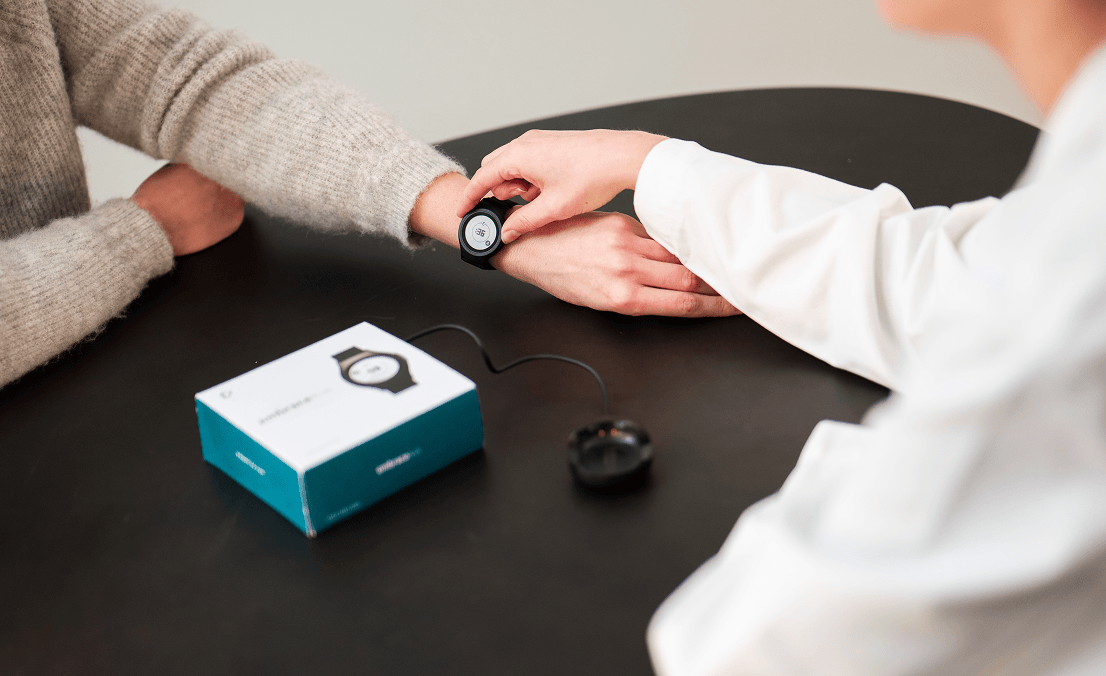
Across therapeutic areas, objective sleep monitoring offers several advantages in clinical trials:
- Capture real-world sleep outside the clinic or sleep lab
- Enable repeated, longitudinal measurement with lower patient burden
- Enrich eCOA data with digital measures to identify gaps between patient-reported and objectively measured sleep
- Support multimodal endpoint strategies by linking sleep with activity, stress, autonomic signals, and quality of life


Additional Resources
FDA Clears Empatica’s EmbraceMini for Sleep Monitoring
NEWS

Empatica unveils EmbraceMini, the world’s smallest actigraphy wearable for clinical trials
BLOG POST
Empatica Actigraphy
SOLUTION
Empatica joins Sleep Revolution, aiming to diagnose and treat OSA
CASE STUDY
FDA-cleared vs. consumer wearables: Choosing the right Actigraphy device for your clinical trial
BLOG POST

EmbraceMini Wearable
COMPONENT