


Thoughts from Cris de Luca, Member of the Board
I've spent most of my career investing in technologies designed to improve human health, and most of my life around soccer. This summer, those two worlds came together in ways I never anticipated.
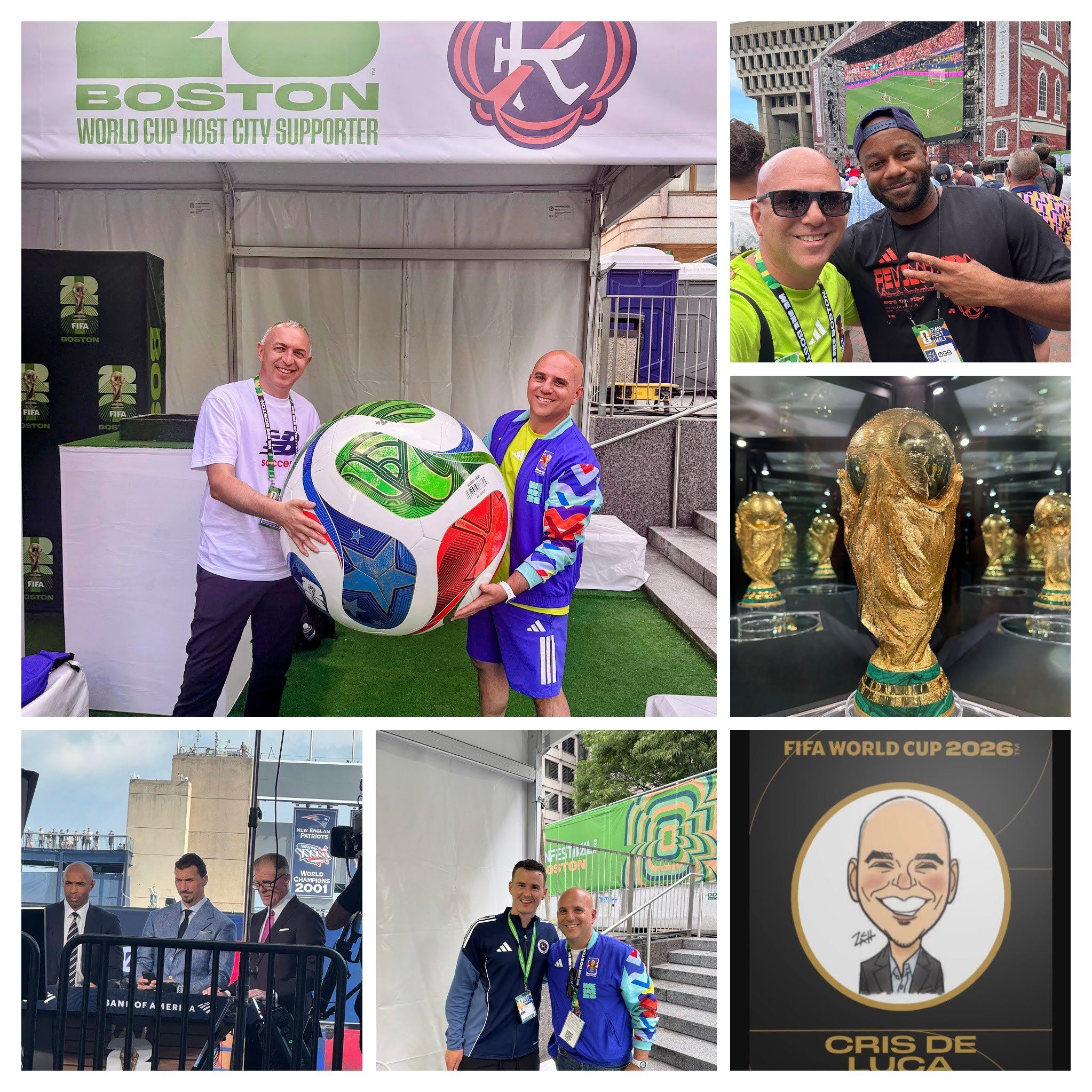
Over the course of the FIFA World Cup 2026, I experienced the tournament from several angles at once: as a FIFA World Cup™ Boston 2026 Host City Ambassador and volunteer, as part of Sanofi's team supporting its role as an Official Host City Supporter, and as a lifelong fan sharing an unforgettable summer with family and friends.
What fascinated me most wasn't only the amazing matches. It was what was happening around it. The World Cup became a global showcase for how AI, health technology, human performance, and human connection are converging.
Three themes stood out.
1. From life science to sport science
Healthcare has spent years building tools to understand the human body with more precision: wearable sensors, digital biomarkers, physiological monitoring, AI models, sleep analytics, computer vision, earlier detection of meaningful change. Increasingly, those same tools are becoming very relevant to sport.
Elite sports organizations are now asking questions healthcare has been asking for years. How do we detect physiological change earlier? How do we understand readiness before performance declines? How do we personalize recovery? Can we reduce injury risk before symptoms appear?
I've seen that convergence up close through my engagement with the New England Revolution, exploring how AI and health technology can support player health and reduce injury risk. It builds on earlier experience coaching startups through the NFL's First & Future Health and Safety Innovation Program across two Super Bowls, and continues through my work leading AI and Digital Health investments at Sanofi Ventures.
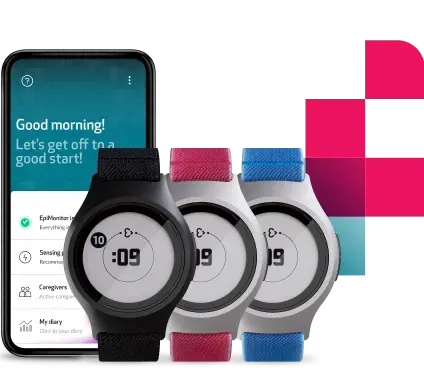
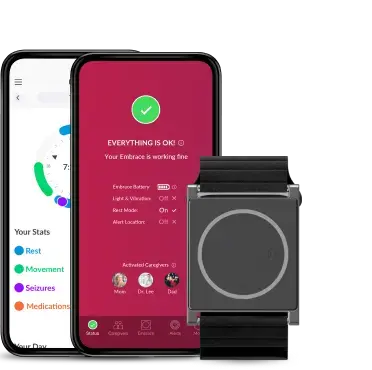
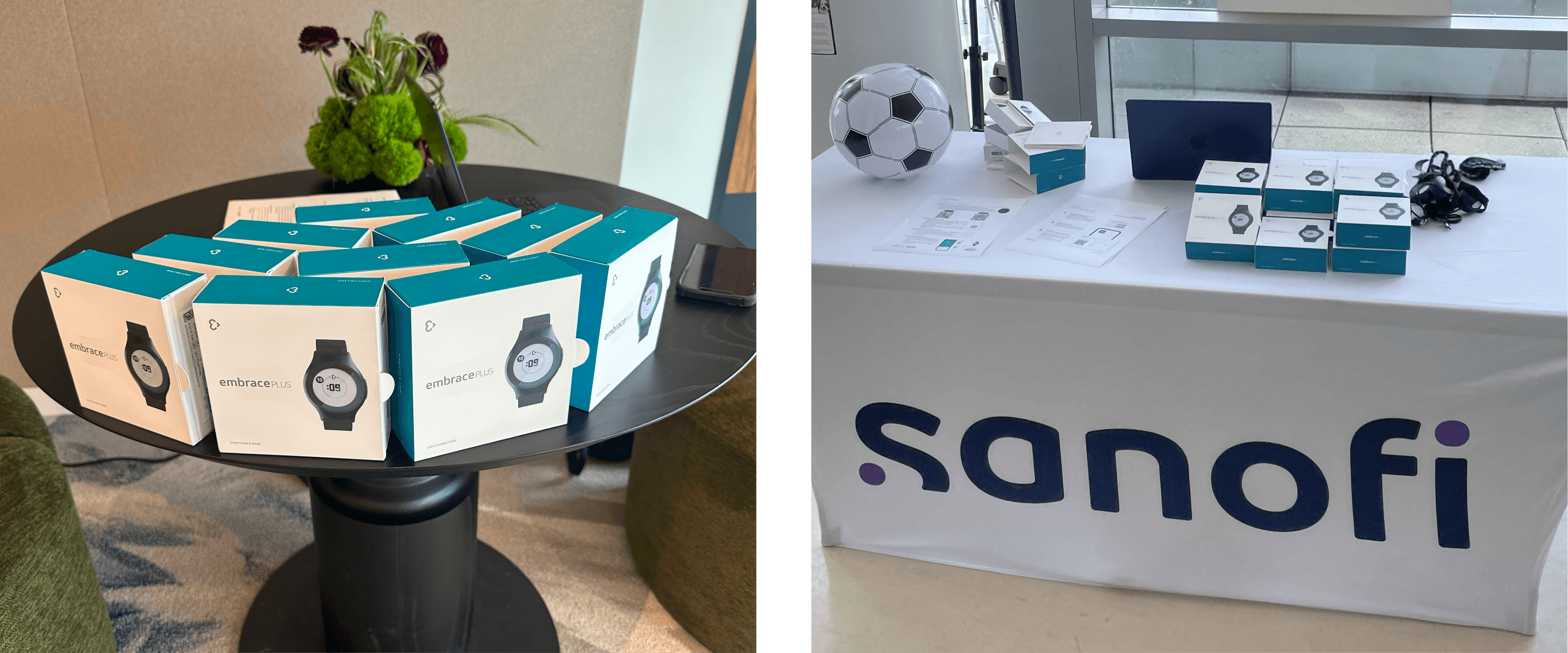
One example: Empatica, a Sanofi Ventures portfolio company where I serve on the board. Empatica builds FDA-cleared wearables used in clinical research and patient monitoring to continuously measure signals tied to sleep, stress, autonomic nervous system activity, and recovery. During the World Cup, we brought those devices into Watch Parties and Boston Stadium to explore the link between wearable data, emotion, and human performance.
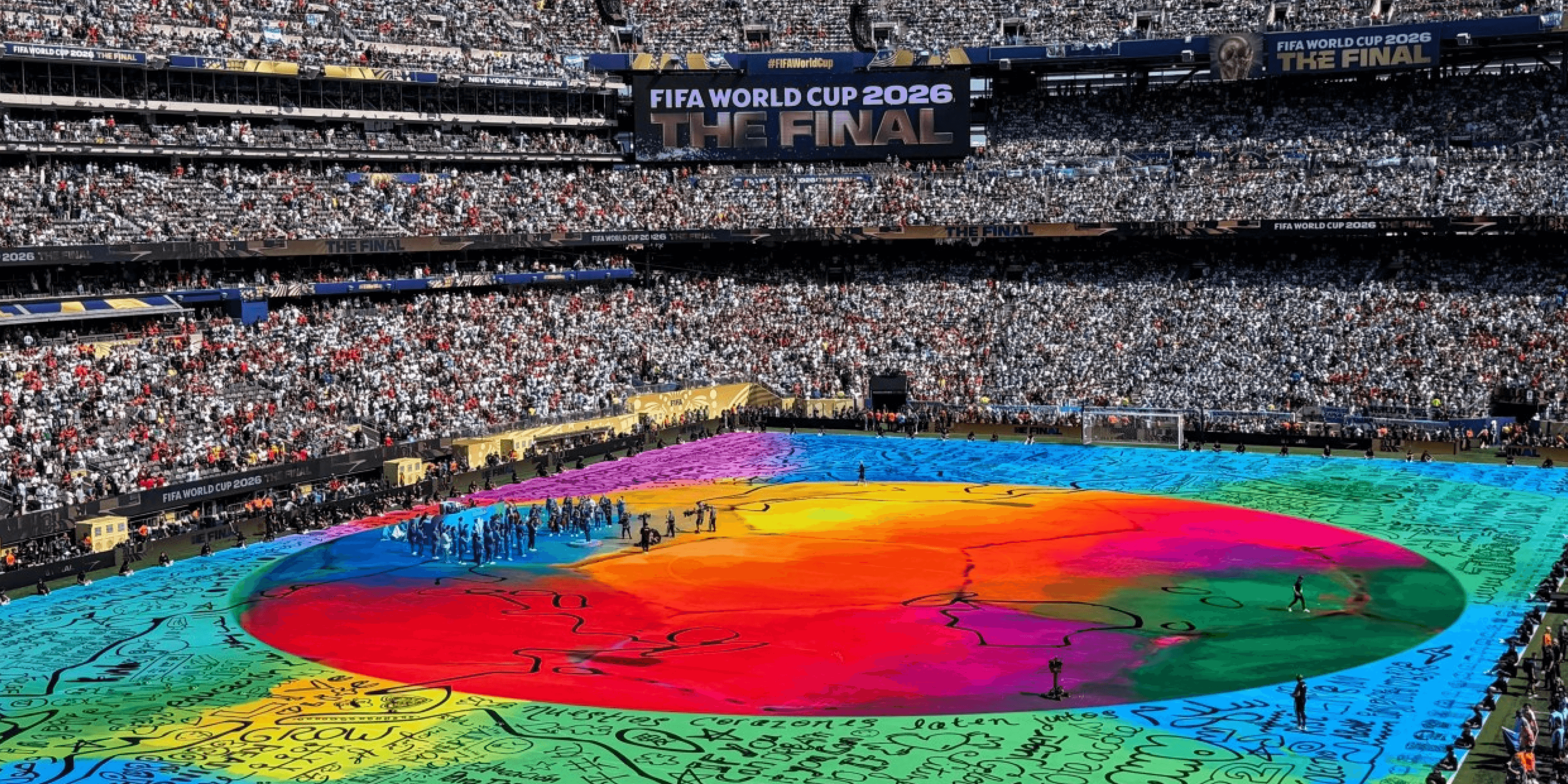
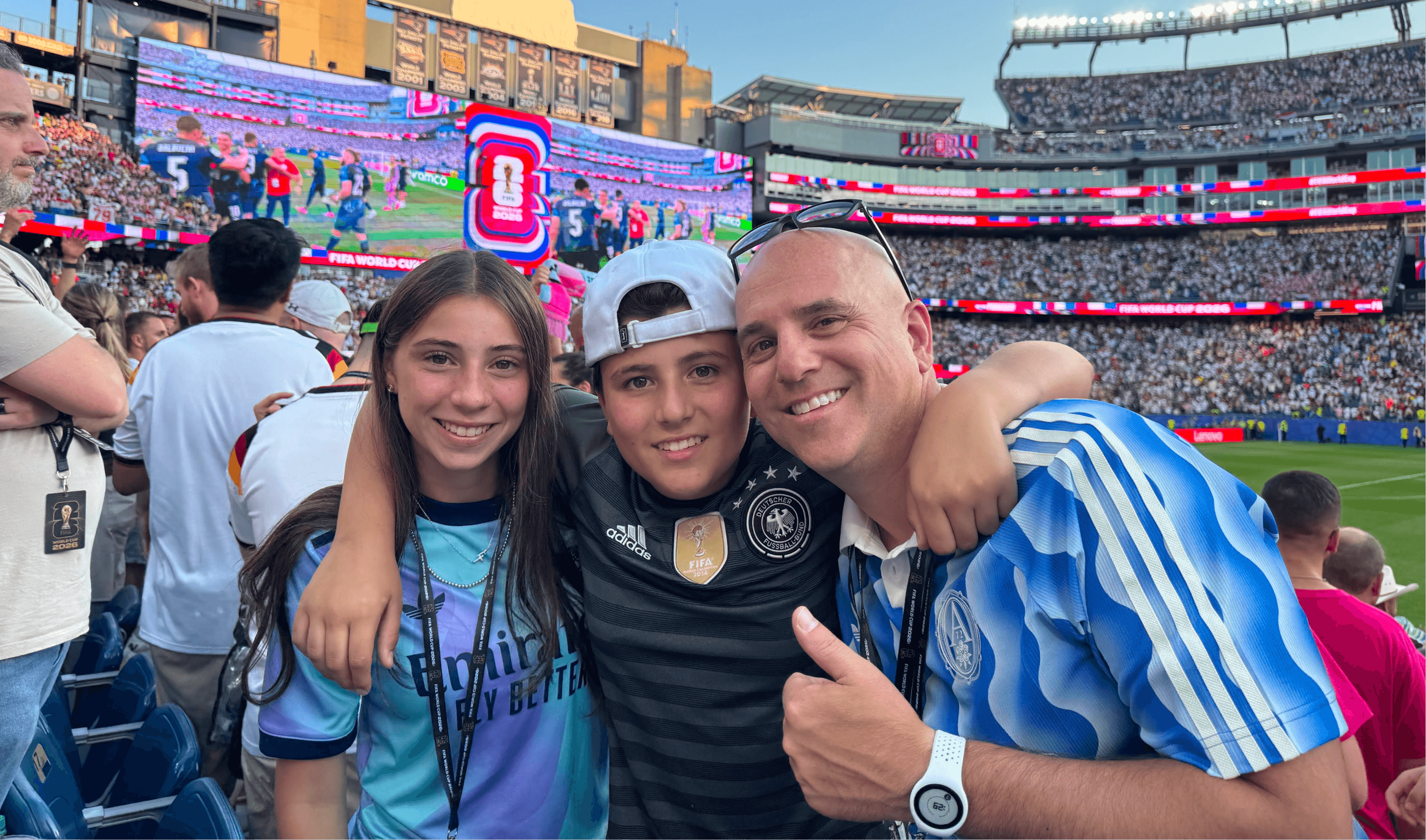
Wearing the EmbracePlus wrist-worn device myself during the Boston matches, Fan Fest experiences, volunteering, and even at the Final, I couldn't help wondering what my own data looked like during the tournament's biggest moments: the Germany-Paraguay penalty shootout, Ousmane Dembélé's hat trick, tens of thousands of Scotland fans singing Flower of Scotland, thousands of Norwegian supporters rowing in unison, and watching Spain win the Final as Messi processed the loss.
2. Artificial intelligence or augmented intelligence?
This World Cup was also one of the largest live demonstrations of AI in the world. The adidas Trionda match ball captures movement 500 times per second. Computer vision reconstructs 3D player models to support officiating. Semi-automated offside, VAR, and thousands of connected systems put technology directly in the flow of the game for billions of viewers.
What intrigued me most wasn't the technology. It was the relationship between machine intelligence and human judgment.
We saw it repeatedly: a contested red card, a goal disallowed based on ball-tracking data, VAR reviews throughout the tournament. AI provided increasingly sophisticated decision support. Referees stayed accountable for the final call.
That distinction matters. In healthcare, I've come to think Artificial Intelligence is better described as Augmented Intelligence. Technology should provide better information and better decision support. People should provide judgment, which takes context, intentionality, experience, empathy, and the human touch.
As these systems get more capable, the harder question isn't whether they'll keep improving. It's whether decision makers stay disciplined about trusting their own judgment when it matters most.
Whether in sport, healthcare, or any high-stakes environment, my view hasn't changed: AI informs. Humans decide.
3. The human connection
For all the conversation about AI, wearables, VAR, and data, the part of this World Cup I'll remember most has almost nothing to do with tech or any particular match. It was all the vibes around it: watching Boston welcome supporters from every corner of the world, the energy throughout the cities, and seeing people from different countries and cultures connect over a shared passion for the game.
I treated this World Cup as both a professional project and a family one. As a Host City Ambassador, I saw the tournament from a unique vantage point. Through Sanofi's role as an Official Host City Supporter, I enjoyed helping bring the "Take Your Shot" AI Science Pavilion to life, connecting fans of all ages to science, health, and human performance through sport.
There were unexpected moments too. Before the tournament started, my children and I joined hundreds of people in Boston, and thousands worldwide, attempting a Guinness World Record for the most people juggling a football simultaneously across multiple venues. Watching them push past what they thought they could do, and take home their medals once the record was confirmed, is one of my favorite memories of the summer.
After attending all seven Boston matches, the FIFA Gala in New York, the FIFA Legends Cup on the mini pitch at Rockefeller Center, and ultimately the Final with my son, what we'll remember most is everything that surrounded those experiences: the songs, the traditions, and the families who brought pieces of Scotland, Norway, France, England, Germany, Paraguay, Iraq, Argentina, and Spain to this World Cup. That reach is something almost nothing else has.
That may be the biggest lesson from this summer. Sport will keep getting more technological, more connected, more intelligent. Life science and sport science will keep converging. Wearables will generate richer insight into the human body. The line between health and performance will keep blurring.
But this World Cup was also a reminder that technology is at its best when it helps us understand people, augment human potential, and strengthen human connection.
That may be where life science and sport science ultimately converge: using technology to better understand human health, unlock human performance, and strengthen human connection.