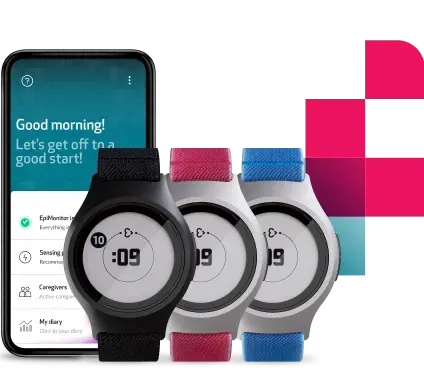
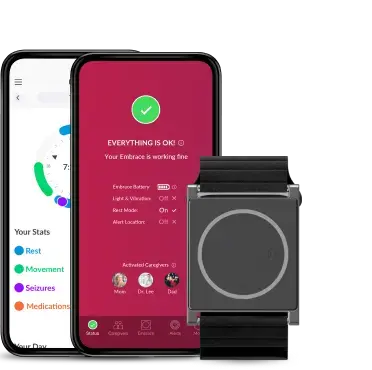

EpiMonitor

Next-Gen Epilepsy Monitoring

Available in the US, UK, EU, AU, NZ and CA

Embrace2

Embrace2

Peace of Mind

No longer available for purchase

Empatica Logo
  • Solutions

    Empatica Health Monitoring Platform

    Empatica Health Monitoring Platform

    One platform, multiple applications

    Components

    EmbracePlus wearable
    EmbraceMini wearable
    New
    Care software suite
    eCOA
    Digital biomarkers
    Cloud API for Clinical Trials

    Use Cases

    Clinical Trials
    Designed for the patient, enhanced for the scientist
    Actigraphy
    The new standard to measure sleep and physical activity
    Contract Research Organizations
    Enhanced value and effortless integrations for CROs
    Parkinson's Monitoring
    New
    Improve patient outcomes with validated PKG measures
    Academic Research
    Unlock the future of real-world research
    Go to store
  • Scientific Evidence

    Publications
    Scientific publications using our technology
    Case Studies
    Client success stories
  • Resources

    Compliance
    Global regulatory requirements
    Blog
    Thoughts and news
    Digital resources library
    Online and downloadable resources
    Support center
    Get support with our products
  • Company

    About us
    People with purpose
    Careers
    Join the mission
    Contact us
    Talk to our team
Contact Us
Empatica Logo
Empatica Health Monitoring Platform

Empatica Health Monitoring Platform

One platform, multiple applications

Components

EmbracePlus wearable
EmbraceMini wearable
New
Care software suite
eCOA
Digital biomarkers
Cloud API for Clinical Trials

Use Cases

Clinical Trials
Designed for the patient, enhanced for the scientist
Actigraphy
The new standard to measure sleep and physical activity
Contract Research Organizations
Enhanced value and effortless integrations for CROs
Parkinson's Monitoring
New
Improve patient outcomes with validated PKG measures
Academic Research
Unlock the future of real-world research
Go to store
Publications
Scientific publications using our technology
Case Studies
Client success stories
Compliance
Global regulatory requirements
Blog
Thoughts and news
Digital resources library
Online and downloadable resources
Support center
Get support with our products
About us
People with purpose
Careers
Join the mission
Contact us
Talk to our team
EpiMonitor

Next-Gen Epilepsy Monitoring

Available in the US, UK, EU, AU, NZ and CA

Embrace2
Embrace2

Peace of Mind

No longer available for purchase

Contact Us
ResearchProduct

Predicting respiratory infections using non-invasive wearable technology

Empatica

Empatica

Nov 3, 2021• 4 min read

LinkedinFacebookX

Exposure to respiratory infections is inevitable in one's lifetime, especially at the peak of the annual flu season. Once exposed to an infected person, it is difficult to know if a virus has been passed on to someone else, since symptoms don't start showing immediately, and ongoing infection can still happen presymptomatically. As a result, the community spread of viruses such as the common cold and the flu is difficult to control. But what if symptoms can be detected beforehand to curtail the spread? Better still, are there non-invasive methods to achieve this?

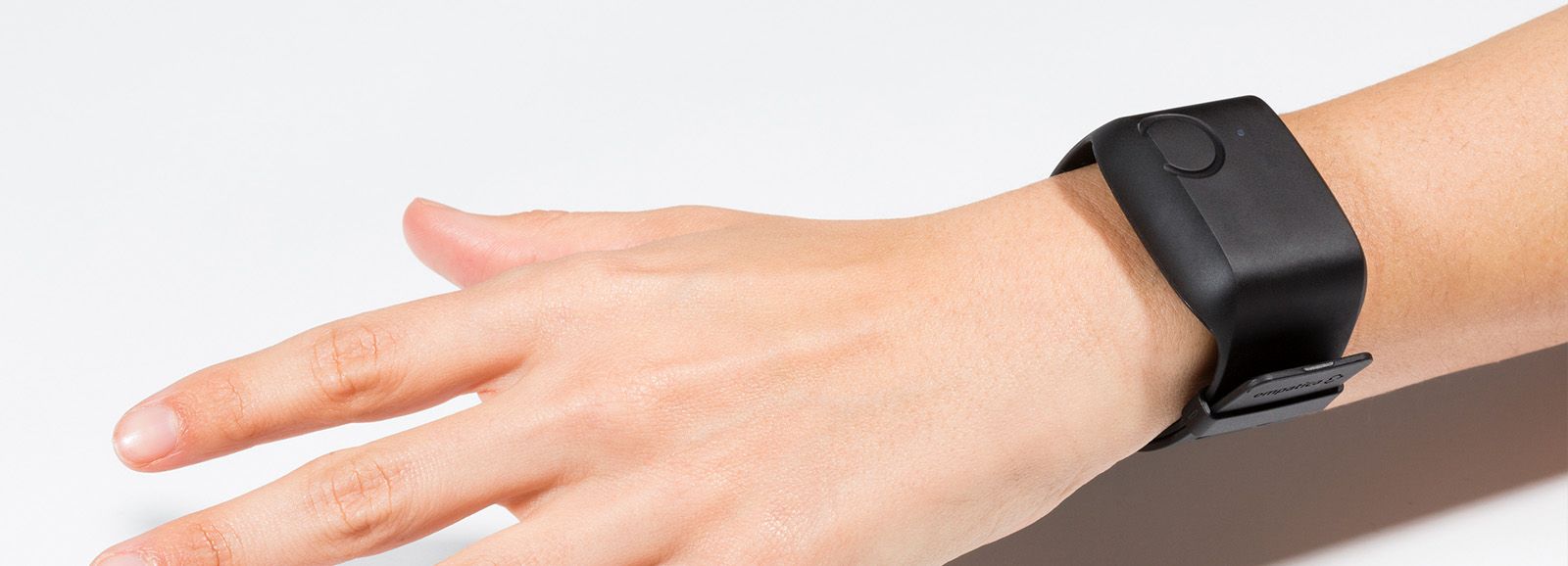
At the moment, there are no methods to detect viral respiratory infections in people that are asymptomatic. Researchers at Duke University, therefore, recently set out to study the feasibility of detecting viruses such as the common cold and influenza and predicting the severity of these infections before the onset of symptoms, using wearable technology. They developed Machine Learning models trained on physiological data collected with Empatica’s E4 wristband.

The study comprised a total of 49 participants; 31 of whom were inoculated with H1N1 and 18 with rhinovirus. Participants were asked to wear the E4 devices before and after the inoculation for comparison. Individuals were also grouped based on infection severity (asymptomatic or noninfected [AON], mild, or moderate signs of infection). After data collection, the scientists applied bootstrapped binary or multiclass random forest classifiers machine learning models to screen data based on presymptomatic infection and prediction of infection severity and validated using leave-one-person-out cross-validation.
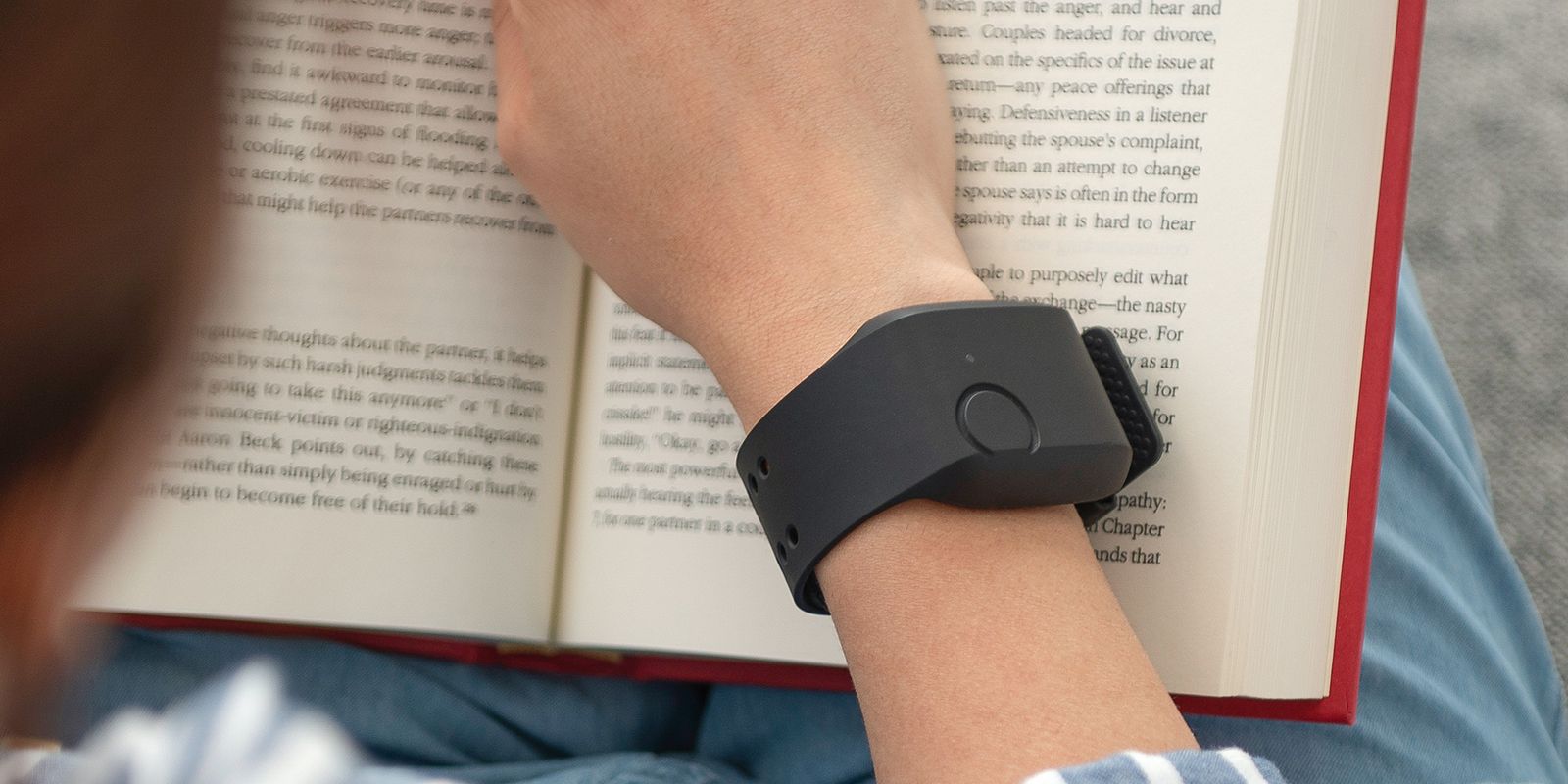
Results

Machine Learning models applied differentiated between infection and non-infection with accuracies of up to 92% for H1N1 and 88% for rhinovirus. The infection severity prediction model was able to distinguish between mild and moderate infection 24 hours prior to symptom onset with an accuracy of 90% for H1N1 and 89% for rhinovirus.

Conclusion

With approximately 9% of the world being infected with influenza annually[1], and adults suffering from 4 to 6 common colds per year[2], infections are usually transmitted without constraints, causing a community spread of viruses starting with only a few people. The authors conclude that “the ability to identify individuals during this critical early phase, when many may be spreading the virus without knowing it, and when therapies (if available) and public health interventions are most likely to be efficacious, may have a wide-ranging effect.”

With the insurgence of COVID-19, detection of infections before the onset of symptoms is even more urgent and paramount, in order to expose the presence of the virus in people who might not even know that they have it. Once detected, they can take preliminary measures to prevent it from spreading to others.

At Empatica, we have partnered with the U.S. government through DRIVe, a division of The U.S. Department of Health and Human Service to develop a platform for detecting respiratory infections before the onset of symptoms, with the long-term goal of offering a wearable, non-invasive system and algorithm that can accurately detect the presence of respiratory infections, including COVID-19, early, and before any symptoms manifest. This will go a long way in helping people receive critical care and prevent future outbreaks.

References

  1. Clayville, L. R. (2011). Influenza update: a review of currently available vaccines. Pharmacy and Therapeutics, 36(10), 659.
  2. Jacobs, S. E., Lamson, D. M., St. George, K., & Walsh, T. J. (2013). Human rhinoviruses. Clinical microbiology reviews, 26(1), 135-162.

We do not guarantee that EpiMonitor will detect every single seizure and deliver alerts accordingly. It is not meant to substitute your current seizure monitoring practices, but rather to serve as a supplement in expediting first-response time.

Company
About us
Careers
Legal
Blog
Empatica Health Monitoring Platform
Clinical Trials
Academic Research
Actigraphy
Parkinson's Monitoring
Parkinson’s & Movement Disorders
Log in
Care Portal
Care Lab Portal
Research Portal
Epilepsy Monitoring
EpiMonitor
Embrace2
Get Support
Contact Us
Manuals
Empatica
FacebookInstagramYouTubeTwitterLinkedin

Empatica Inc., 1 Broadway, 14th floor, Cambridge MA 02142 United States - Empatica Srl, Via Stendhal 36, 20144 Milano (MI), Italy

P. IVA IT07462810966. Copyright © 2026 Empatica Inc. - ISO 13485 Cert. No. 39050072201 - All rights reserved - Legal