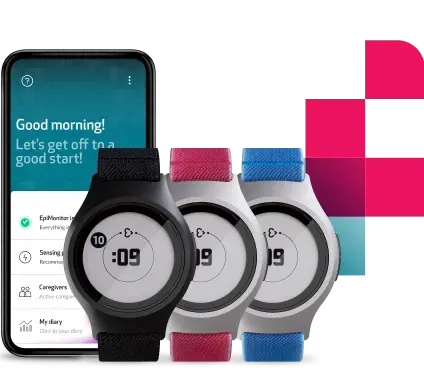
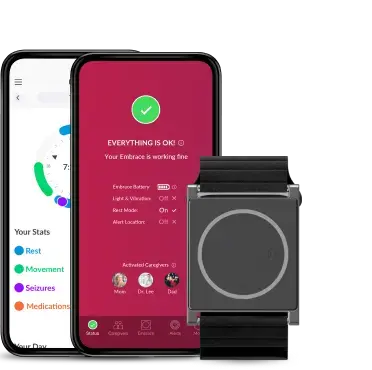

Empatica Actigraphy
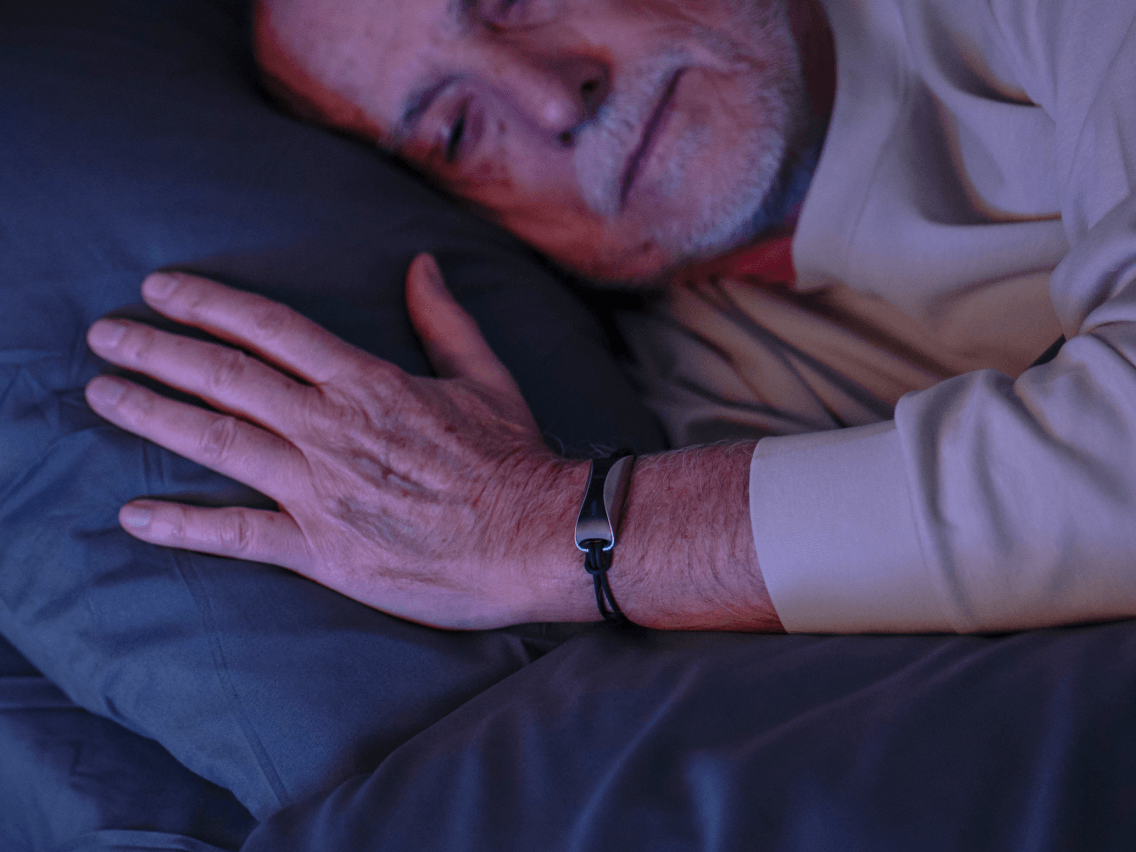
Actigraphy is a widely used, non-invasive method in clinical research to measure sleep–wake patterns and physical activity using wearable devices. Commonly used for sleep monitoring, actigraphy enables continuous, objective tracking of sleep and activity in real-world settings over extended periods. Empatica’s wearable-based actigraphy offering enables remote, longitudinal data collection, supporting scalable and real-world assessments in clinical trials.
How actigraphy works in real-world clinical settings
 Continuous data collection
Participants wear a compact device, typically on the wrist, equipped with an accelerometer that continuously records movement. This allows for passive, uninterrupted data capture without disrupting daily routines.
Longitudinal monitoring
Data is collected over days or weeks, providing insight into variability, trends, and circadian rhythms. This longitudinal monitoring is particularly valuable for assessing real-world behavior beyond a single timepoint snapshot.
Signal processing and feature extraction
Raw accelerometer data is processed using validated actigraphy algorithms to derive clinically relevant measures, including activity levels, rest-activity cycles, and sleep-wake patterns. These models transform continuous signals into actionable digital biomarkers.
Data interpretation and visualization
Processed data is translated into structured outputs such as activity summaries, circadian insights, and digital biomarkers. These outputs support clinical research, endpoint analysis, and data-driven decision-making.

Part of the FDA-cleared Empatica Health Monitoring Platform
Scale across therapeutic areas without needing to switch devices or ways of working
Remotely manage your trials and participants
Available in over 40 languages
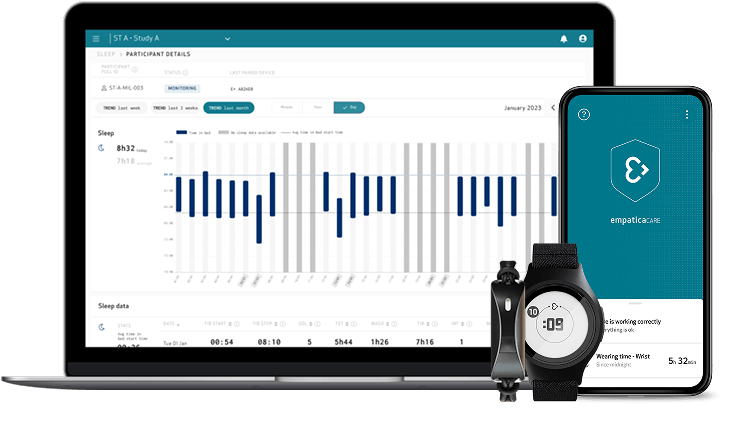
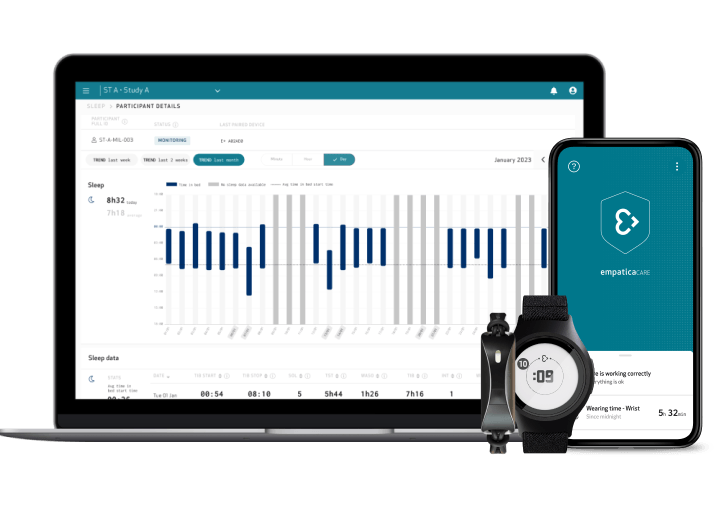
Seamless data transfer, download and visualization via the Care App and Portal
Benefit from dedicated Account Management and support team, patient and site materials and training, as well as regulatory support and audit trails
The most complete suite of sleep and activity measures
Talk to our team to receive our full list of sleep and activity measures or explore our range of 300+ digital measures to empower your research.
Raw 3-axis Accelerometer Data
Wearing Detection

Step Counts

Gait Speed

Advanced Gait Analysis

6MWT

Stride Velocity 95th Centile (SV95C)
Sleep Analysis
Sleep Detection
Activity Classification
Activity Counts
Body Position
Activity Intensity

Energy Expenditure

MWPA
Actigraphy vs Polysomnography (PSG): key differences in sleep monitoring
Actigraphy and polysomnography (PSG) are two widely used methods for measuring sleep. While PSG is considered the gold standard for in-lab sleep studies, actigraphy enables continuous, real-world sleep monitoring over extended periods. Empatica’s platform complements polysomnography by enabling scalable, real-world monitoring beyond the lab, providing longitudinal insights that are not captured in single-night sleep studies.
Why choose Empatica Actigraphy?
Built for scalable, real-world evidence generation
Empatica’s actigraphy solution is designed to support decentralized and hybrid clinical studies, enabling continuous monitoring of sleep and activity in patients’ everyday lives. By combining wearable technology with remote data infrastructure, researchers can collect longitudinal, real-world evidence at scale.
Clinical-grade data beyond consumer wearables
Unlike consumer sleep trackers, Empatica devices are designed for clinical research and validated use cases. They provide objective, high-resolution data suitable for regulated environments, supporting reproducibility and consistency across studies.
Extending traditional actigraphy capabilities
Traditional actigraphy is typically limited to movement-based measurements. Empatica expands this approach through a multi-sensor platform and integrated digital biomarkers, enabling deeper insights into sleep, activity, and physiological signals within a single system.
Platform capabilities that support your trials
An all-in-one platform solution for clinical trials, designed to enable high-quality, continuous real-world data collection
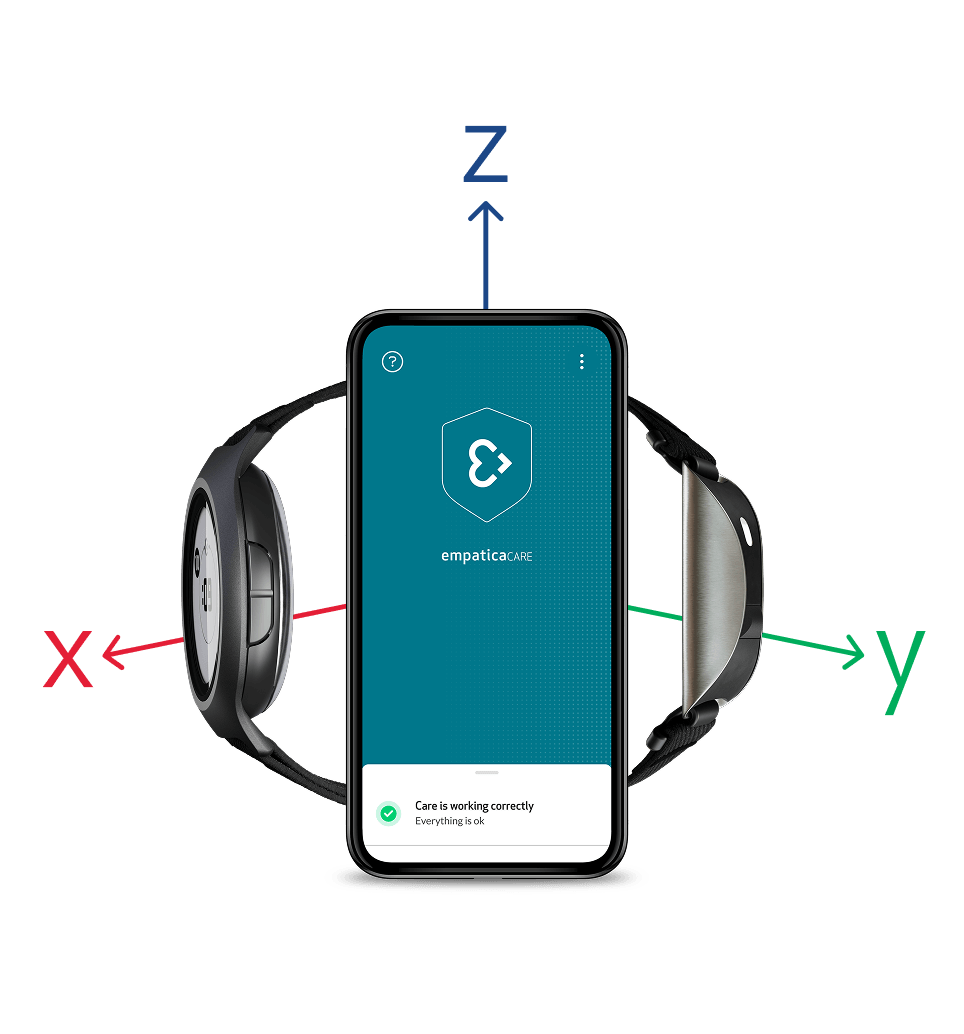
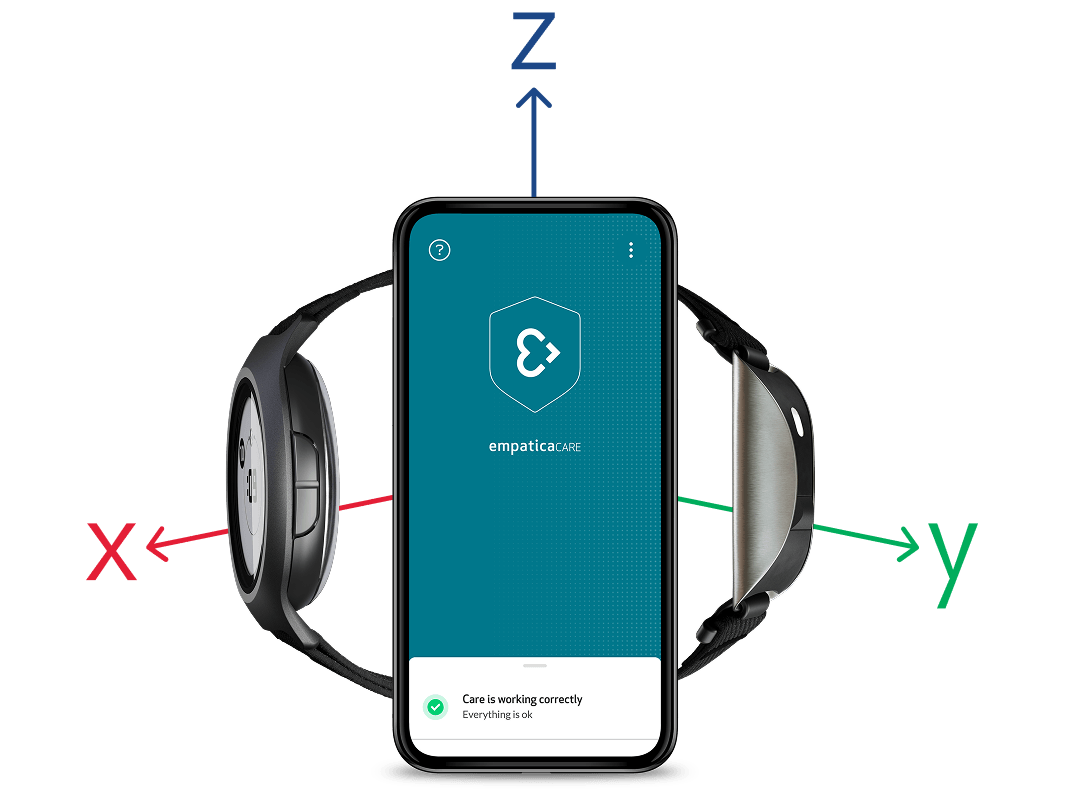
Non-stop recording & seamless data transfer
Data visualizations & reports
Enhanced compliance reporting with site and study-level views
Cloud API integrations
Dedicated account management and support team
Provisioned phones
Data recomputation service
Patient app translated into 40+ languages
Patient and site-centric design to lower burden
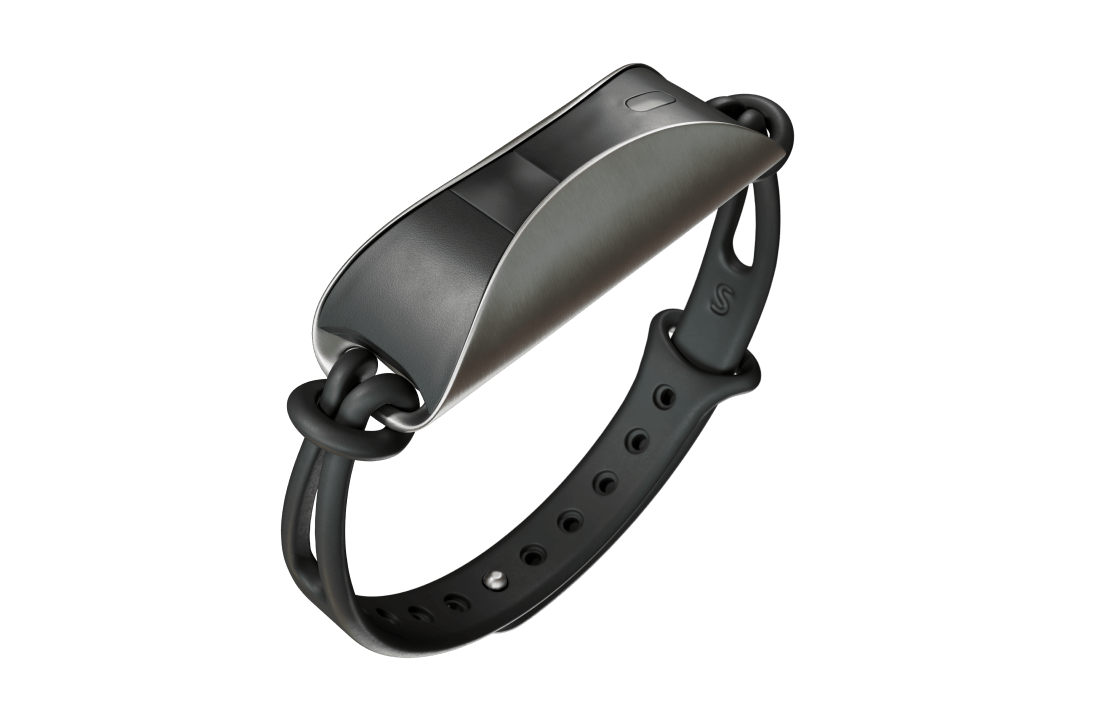
EmbraceMini: The perfect actigraphy wearable
- Compact and discreet, ideal to be worn next to a favourite watch or accessory
- 4x sensors: Accelerometer, Gyroscope, Magnetometer, Ambient Light Sensor
- 14+ days of battery
- The smallest actigraphy device in clinical research
- Fully modular
Learn more about EmbraceMini
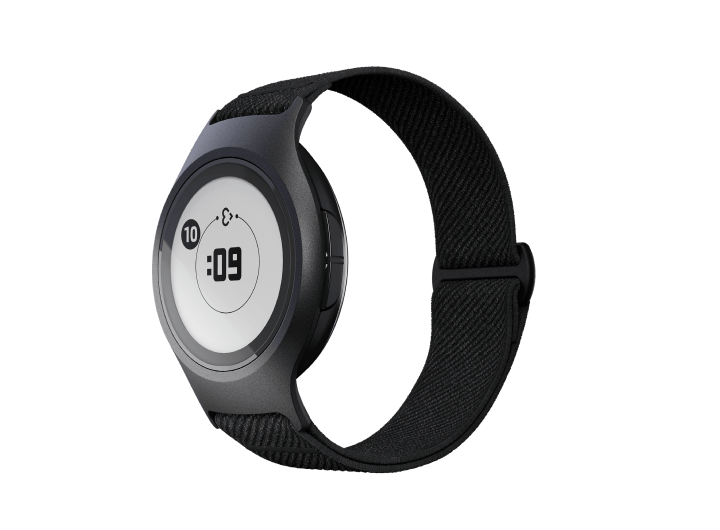
An all-in-one solution for activity, sleep and cardiorespiratory measures
- FDA-cleared and CE certified
- PPG, EDA, Temperature, Accelerometer and Gyroscope sensors
- Event marking button
- On-board memory
- Long battery life
- Small and lightweight device
- Hypoallergenic breathable band
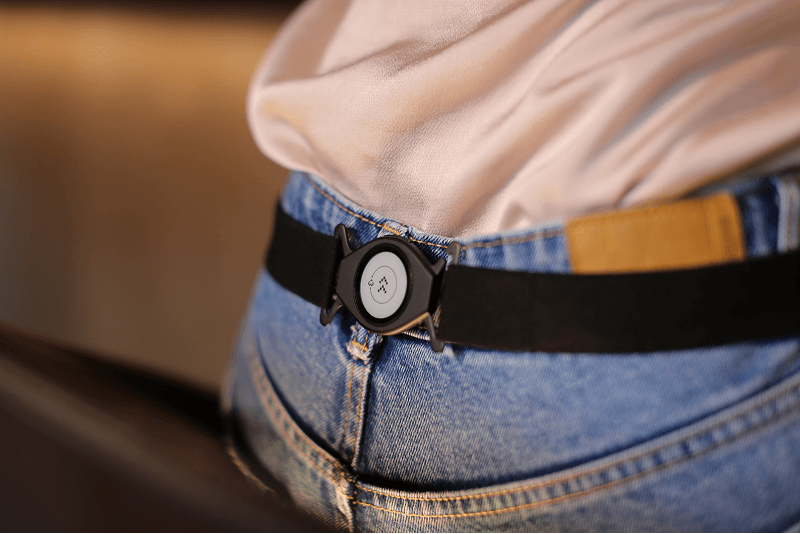
- Multiple form factors (can be worn on wrist, belt, ankle)
- IP67 Waterproofing (up to 1m/3ft deep for 30 mins)
- Wireless, automated and continuous data transfer
- Winner of International Design Excellence Award and Chicago Athenaeum Good Design Award
Find out more
Find the form that fits
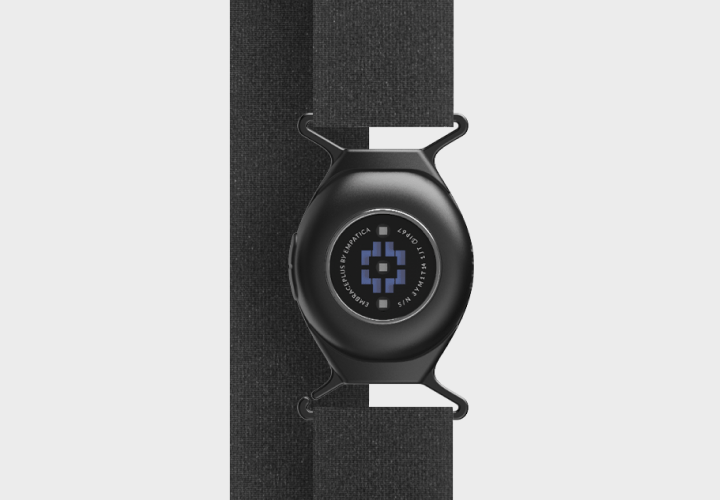
Elastic Strap
Enables EmbracePlus to be used with a longer, stretchable band, which allows the device to be worn around other body parts, such as the waist.
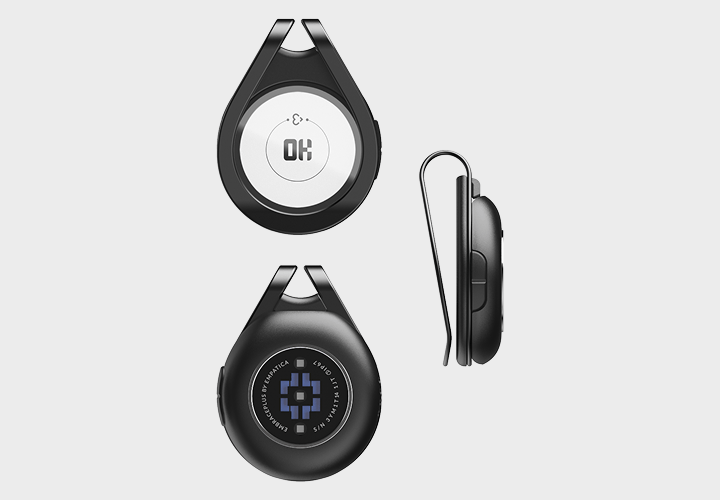
Belt clip
With over 40 digital measures and reports available to measure from a hip or lumbar position, participants can easily attach the device to their waistband or belt.

EmbraceMini Ankle Strap
Designed for a secure, comfortable fit at the ankle, supporting continuous monitoring and reliable data capture.


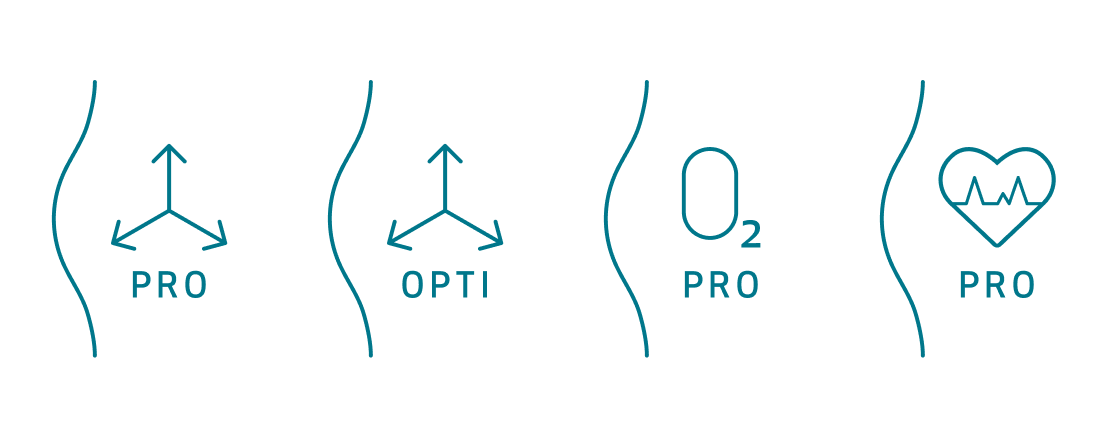
Tailored data collection with sensor modes
Sensor Modes are predefined configurations for EmbracePlus that enable the device to focus on collecting specific parameters that are key to your study.
Talk to our team to find out how sensor modes can enhance the data collection capabilities of the Empatica Health Monitoring Platform.
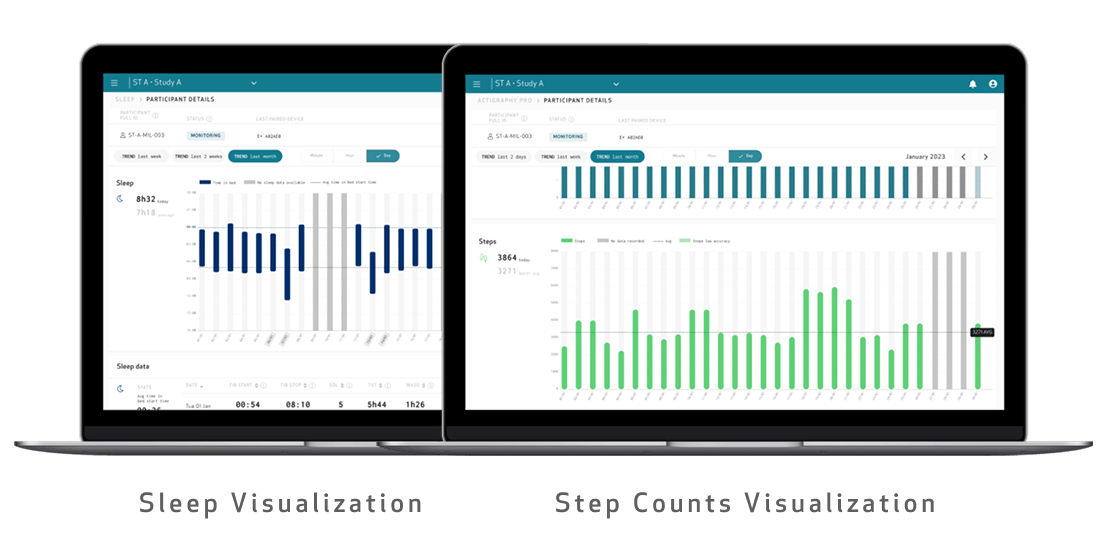
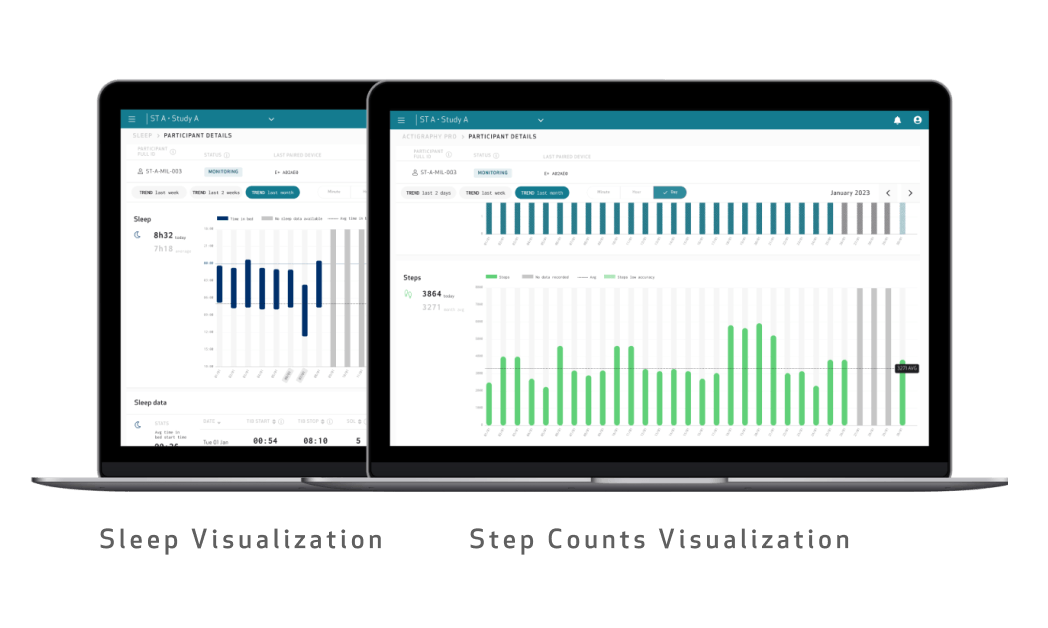
Dip into data on your dashboard
Get a quick look at your data with helpful biomarker visualizations in the Care Portal:
- Step Counts
- Sleep
- SPO2
- Respiratory Rate
- EDA
- Accelerometer
Actigraphy applications across therapeutic areas
Actigraphy is widely used across therapeutic areas to objectively measure sleep–wake patterns, physical activity, and circadian rhythms in real-world settings. Its ability to support continuous, longitudinal monitoring makes it particularly valuable in clinical research. Empatica’s platform enables consistent data collection across these therapeutic areas, supporting scalable and standardized analysis in diverse clinical studies.
Neurology
Actigraphy is used to monitor sleep disturbances, circadian rhythm disruptions, and activity patterns in conditions such as epilepsy and Parkinson’s disease, supporting the assessment of disease progression and treatment response.
Oncology
For patients experiencing cancer-related fatigue, actigraphy enables continuous monitoring of rest–activity cycles and recovery patterns, providing insights into patient well-being during and after treatment.
Psychiatry
In areas like depression and sleep disorders, actigraphy-derived sleep and activity metrics help quantify behavioral patterns, including sleep fragmentation, insomnia, and changes in daily activity levels.
Metabolic disorders
In conditions such as obesity and diabetes, actigraphy supports the evaluation of physical activity levels and sleep behaviors, which are key factors in metabolic health and treatment outcomes.
A legacy in scientific research
Empatica actigraphy wearables are used in thousands of peer-reviewed studies across neurology, oncology, immunology, and more, delivering validated actigraphy and reliable sleep and activity monitoring for clinical research and real-world studies.
Read more
Frequently Asked Questions about Actigraphy
What is actigraphy used for?
Actigraphy is used to measure sleep–wake patterns, physical activity, and circadian rhythms. In clinical research, it enables continuous monitoring of movement, activity levels, and behavioral patterns over extended periods in real-world settings.
How is actigraphy used to measure physical activity?
Actigraphy devices use accelerometers to continuously capture movement data, which is processed into activity metrics such as intensity, duration, and patterns of movement. This allows researchers to assess daily activity levels, mobility, and changes in behavior over time.
How are actigraphy devices different from a consumer sleep tracker?
Actigraphy devices are designed for clinical and research use, providing objective, validated measurements of activity and rest patterns. Consumer sleep trackers are typically intended for general wellness and may not meet the same standards for accuracy, consistency, or regulatory use.
What kind of data does an actigraphy device collect?
Actigraphy devices primarily collect accelerometer-based movement data, which can be translated into metrics such as activity levels, rest–activity cycles, sleep estimates, and circadian patterns for clinical and research analysis.
Can actigraphy be used beyond sleep monitoring?
Yes, actigraphy is widely used to assess physical activity, circadian rhythms, and behavioral patterns in addition to sleep. It supports applications such as monitoring mobility, evaluating treatment impact, and tracking real-world patient behavior in clinical studies.
Can actigraphy diagnose sleep disorders?
Actigraphy does not replace polysomnography for diagnosing sleep disorders, but it is widely used to support the assessment of sleep patterns, monitor treatment response, and evaluate sleep–wake disturbances over time.
What is WASO in actigraphy?
WASO (Wake After Sleep Onset) refers to the total time spent awake after initially falling asleep. It is one of several actigraphy-derived metrics used to assess sleep continuity alongside broader activity and rest patterns.

Wondering if our solutions and digital biomarkers fit your needs?
Reach out and a member of our team will be in touch with you as soon as possible.