




The APEX 7 HiCORT Study
Executive summary
- Study approach: The APEX 7 HiCORT study was designed to investigate 24-hour physiological responses to acute exposure and acclimatization at 4,800m, combining high-resolution tissue cortisol sampling with continuous monitoring using the FDA-cleared EmbracePlus wearable to capture sleep, activity, autonomic function, and thermoregulation.
- Translational relevance: Combining objective digital biomarkers with endocrine measures is intended to enable future evaluation of physiological context, supporting interpretation of hormonal data under environmental stress and providing a framework for future endocrinology research across metabolic and cardiometabolic conditions.
- Early insights: EmbracePlus will enable objective alignment of hormonal data with verified sleep–wake cycles and behavioral state, supporting future chronobiological analyses despite the logistical challenges of high-altitude research.
- Impact: Understanding these mechanisms in real-world settings may provide insights into hypoxia-driven endocrine dysregulation, mechanisms that are relevant to hypoxia-associated pathophysiology in clinical settings.
High altitude, hypoxia, and human health
High altitude is typically defined as elevations above 2,500 meters, where reduced barometric pressure leads to hypobaric hypoxia, a decrease in the partial pressure of inspired oxygen that limits oxygen delivery to tissues (West, 2012). At elevations approaching 4,800 meters, arterial oxygen saturation can fall substantially in unacclimatized individuals, placing significant strain on cardiovascular, respiratory, neurological, and endocrine systems.
Travel to elevations above 2500 m, if unacclimatized, is associated with the risk of developing an acute altitude illness, including acute mountain sickness (AMS), which is characterized by headache, nausea, dizziness, fatigue, and sleep disturbance (Luks et al., 2024). In more severe cases, hypoxia can progress to high-altitude cerebral edema (HACE) or high-altitude pulmonary edema (HAPE), both potentially life-threatening.
Acclimatization helps the body progressively adjust to reduced oxygen levels through a series of physiological adjustments over days to weeks that improve oxygen delivery and utilization (Ainslie et al., 2013). These include sustained increases in ventilation, renal compensation for respiratory alkalosis, expansion of red blood cell mass, and vascular and metabolic adaptations (West, 2012; Ainslie et al., 2013). However, acclimatization is incomplete and variable between individuals, and the transition from acute hypoxic stress to partial adaptation represents a critical window for understanding high-altitude pathophysiology.
High-altitude exposure is not limited to mountaineering expeditions. La Paz, Bolivia, widely recognized as the highest capital city in the world, sits at approximately 3,500–4,000 meters above sea level, where residents and visitors are chronically exposed to hypobaric hypoxia (Brown et al., 2013). Globally, an estimated 80 million people live at high altitude, and 40 million people travel to elevations above 3,000 meters each year for work, tourism, and recreation, making altitude-related illness an important and growing public health consideration (Tremblay and Ainslie, 2021; Mikołajczak et al., 2021). As international travel and high-altitude tourism continue to increase, understanding the physiological consequences of rapid ascent has direct implications for the safety and well-being of these populations.
Rising above the Altiplano of western Bolivia, the Cordillera Real forms a dramatic glaciated spine of the Andes, with multiple peaks exceeding 6,000 meters. Among them is Huayna Potosí (6,088 m), located just north of La Paz, whose basecamp sits at approximately 4,800 meters above sea level. At this elevation, barometric pressure is reduced to nearly half that at sea level, creating sustained and significant hypobaric hypoxia capable of provoking measurable cardiovascular, respiratory, sleep, and endocrine disturbances in unacclimatized individuals (West, 2012; Ainslie et al., 2013).
Unlike simulated hypoxia in the laboratory, the high Andes provide continuous, real-world exposure to environmental hypoxia, allowing researchers to examine physiological adaptation at an elevation high enough to provoke clinically meaningful physiological change.
The APEX 7 expedition
Altitude Physiology Expeditions (APEX) is a medical research charity, founded by students at the University of Edinburgh. For 25 years, APEX has conducted expeditions investigating the physiological effects of high-altitude hypoxia. The core aims of the charity are to advance education in high-altitude physiology, conduct high-altitude studies with clinical relevance, and train the next generation of clinician-scientists through student-led research.
In summer 2025, APEX 7 recruited 95 healthy volunteers to conduct seven concurrent research projects across three altitudes: sea level (Edinburgh), high altitude in La Paz, Bolivia (3,650m), and very high altitude at Huayna Potosí Basecamp, Bolivia (4,800m).
Among these was the APEX 7 HiCORT study, led by Expedition Leader and Senior Medical Student David Geddes under the supervision of Dr. Nina Rzechorzek (Clinician Scientist). APEX 7 HiCORT focused on understanding how acute exposure and subsequent acclimatization to 4,800m alter the body’s 24-hour cortisol rhythm at the tissue level.
Why cortisol?
Cortisol is a central regulator of the stress response and follows a tightly controlled daily rhythm under normal conditions, peaking in the early morning and declining throughout the day (Russell and Lightman 2019). Disruption of this rhythm has been associated with immune dysfunction, metabolic disturbance, sleep disruption, and adverse clinical outcomes (Wright Jr et al., 2015; Adam et al., 2017; Upton et al., 2023).
At high altitude, hypobaric hypoxia activates sympathetic and neuroendocrine stress pathways, including stimulation of the hypothalamic–pituitary–adrenal axis (Mazzeo, 2008). However, while systemic cortisol responses to altitude exposure have been described (Humpeler et al., 1980; Coste et al., 2005; Benso et al., 2007; Woods et al., 2017; Estoppey et al., 2019), high-resolution data on how sustained hypobaric hypoxia alters local tissue-level glucocorticoid dynamics remain lacking. Understanding these alterations is critical for two reasons: first, to clarify the endocrine mechanisms underpinning altitude illness and acclimatization; and second, to inform a broader understanding of stress-hormone regulation under hypoxic stress states relevant to critical care medicine.
The APEX 7 HiCORT study design
The APEX 7 HiCORT study is an investigator-initiated academic research project, conducted independently with the support of academic, industry, and charitable partners, including Altitude Physiology Expeditions (APEX). The primary objective was to compare 24-hour cortisol dynamics across three phases:
- Baseline at sea level (0m, Edinburgh).
- Acute exposure during the first 24–30 hours following rapid ascent to 4,800m.
- Acclimatization after seven days at 4,800m.
A small number of male and female subjects were recruited from the wider expedition cohort for this pilot study. Interstitial fluid was sampled every 20 min using the U-RHYTHM ambulatory microdialysis system (Upton et al., 2023), and samples were stored for future hormone analysis by mass spectrometry.
In addition to high-temporal-resolution cortisol dynamics, a combination of questionnaires and wearable devices was used for parallel capture of physiological and clinical data in the same subjects. These data will enable deep exploration of how hypoxic exposure impacts mood and sleep, as well as daily rhythms in body temperature and autonomic activity.
Overall, the goal of APEX 7 HiCORT was to obtain a rich picture of dynamic physiological responses to hypoxia in a small sample size, using minimally invasive, objective, and subjective methods.
Using EmbracePlus to conduct continuous monitoring in an extreme environment
Conducting round-the-clock endocrinology research at 4,800 meters presents substantial logistical challenges. Sleep is frequently fragmented at altitude due to periodic breathing and hypoxic ventilatory instability (Ainslie et al., 2013), making objective sleep measurement critical. Traditional laboratory tools such as polysomnography are impractical in a remote mountain basecamp.
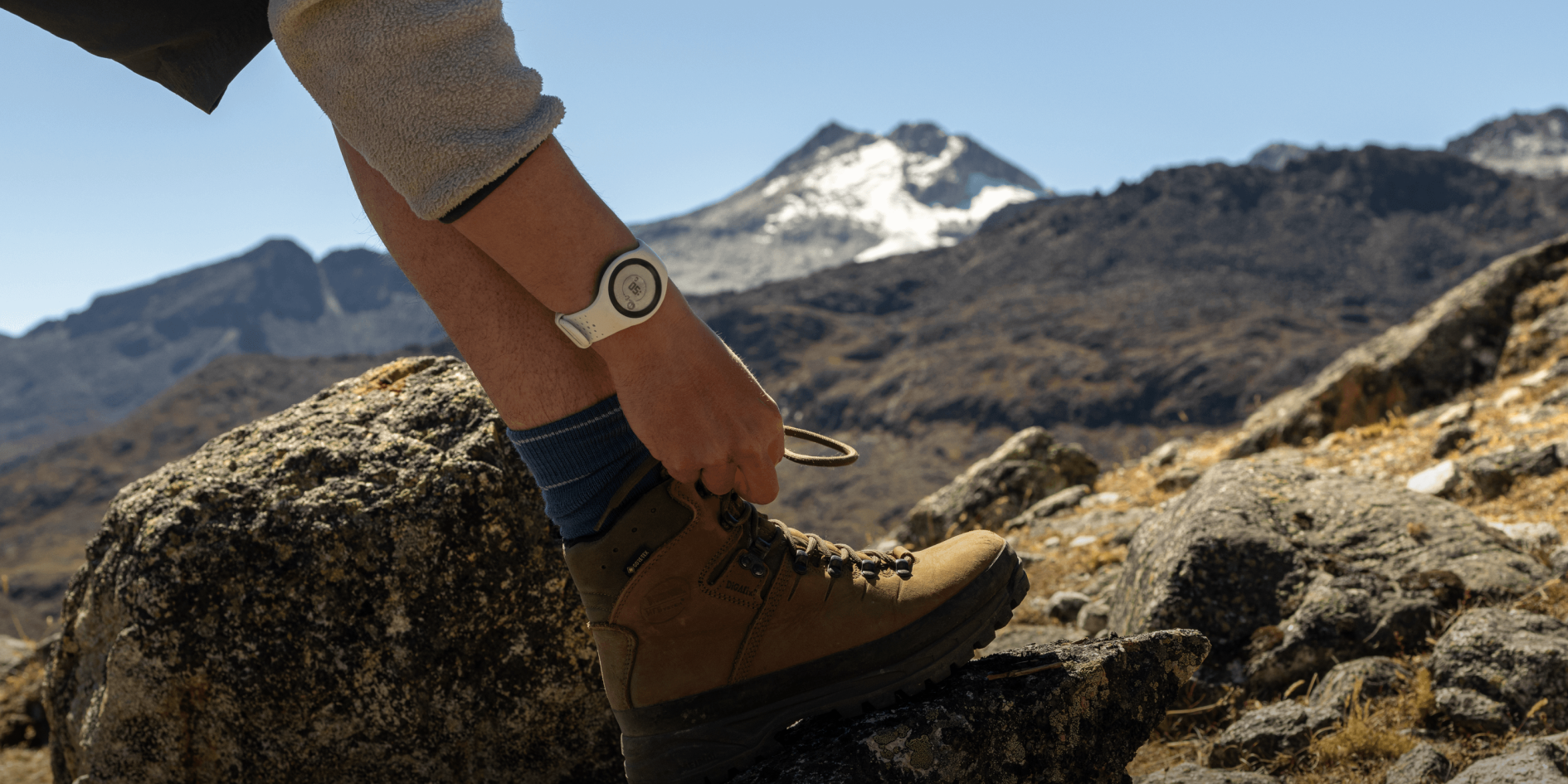
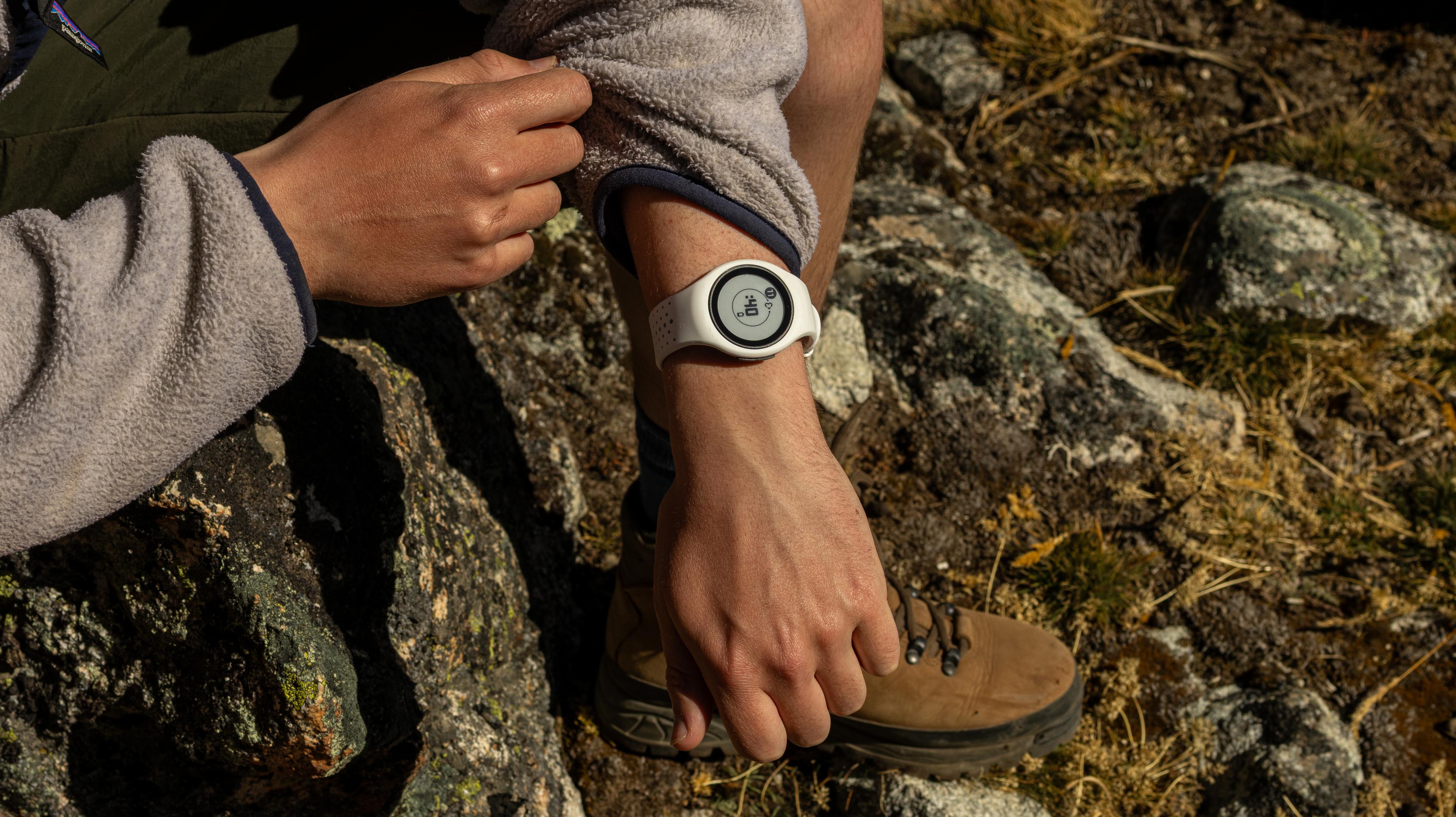
Empatica’s EmbracePlus wearable was integrated into the APEX 7 HiCORT protocol to provide continuous, synchronized physiological monitoring throughout the study.
Participants wore the device continuously during core sampling periods, enabling the collection of:
- Raw Accelerometry data, Activity Classification, Activity Intensity, Body Position estimates,
- Step counts.
- Sleep detection parameters, including Sleep Onset Latency, Total Sleep Time, Wake After Sleep Onset (WASO), Sleep Interruptions, Sleep Efficiency, and Sleep Fragmentation Index.
- Electrodermal Activity (EDA).
- Metabolic Equivalent of Task (MET) estimates.
- Skin Temperature.
- Wearing detection
This multimodal dataset will allow researchers to correlate high-resolution cortisol profiles with objective biomarkers of sleep architecture, autonomic nervous system activity, thermoregulation, and physical activity.
Aligning hormonal sampling with verified sleep–wake cycles and behavioral state will support future chronobiological analyses and reduce confounding from subjective reporting of sleep duration and quality.
How EmbracePlus addressed the challenges of high-altitude research
“The EmbracePlus device was essential to our APEX 7 HiCORT study, providing continuous and objective monitoring of the research participants’ physiological state and activity levels around the clock.”
David Geddes, Expedition Leader
Geddes said, “The primary challenges encountered during the APEX 7 expedition’s research phase stemmed from our remote location and the inherent physiological stresses and unpredictability associated with operating at high altitude. This affected both participants and researchers. Empatica’s technology specifically helped us with several key research challenges:
- Obtaining continuous, objective sleep and daily physiology data: accurately studying hormone rhythms necessitates precise, objective data on sleep timing, duration, and quality. Relying solely on subjective sleep diaries introduces significant inaccuracies, while gold-standard polysomnography is highly impractical beyond a sleep lab, more vulnerable to motion artefact, and less cost-effective than wrist-worn actigraphy devices (Ancoli-Israel et al., 2003; de Zambotti et al., 2024).
- Solution: The EmbracePlus provided robust, validated actigraphy, delivering objective, continuous sleep/wake data. This capability will be crucial for accurately aligning cortisol sample timing with individual sleep cycles and for performing objective chronotyping, thus overcoming the inherent limitations of subjective self-reporting.
- Monitoring physiological data non-intrusively: It was essential to continuously track autonomic responses (e.g., markers of stress) and basic vital signs without disturbing the participants, particularly during sleep periods, as disturbances could directly confound the cortisol measurements.
- Solution: The device allowed for the continuous, unobtrusive collection of data with minimal participant burden. This will yield valuable insights into physiological state changes occurring throughout the 24-hour cycle, capturing dynamics that would likely be missed with only intermittent spot measurements.
- Data Collection and management in a remote environment: ensuring the reliable capture, secure storage, and eventual transfer of large datasets from a remote basecamp, potentially facing unreliable power sources and limited internet connectivity, presented a significant logistical hurdle.
- Solution: The EmbracePlus’s features, including its long battery life, substantial onboard data storage capacity, and the system’s automated data synchronization to the Empatica Cloud via the paired Care App, greatly streamlined the data management workflow. This automation reduced our risk of data loss and minimized the manual effort required for data handling and backup in a demanding field environment.”
Early insights and translational relevance
The APEX 7 field phase concluded in July 2025, and analysis of the integrated hormonal and wearable-derived datasets is ongoing.
When asked if the team had any results to share, Geddes explained that “While preliminary quantitative results are not available at this stage, the data acquired using the Empatica device will help us to contextualize hormonal changes by providing objective, time-matched measures of sleep disruption, autonomic activity, and other physiological variables. We are enthusiastic about the unique insights this dataset holds, and we look forward to sharing the formal results upon completion of our data analysis and subsequent publication in scientific journals. Updates on the project’s progress and findings will be made available via the APEX website (www.altitude.org).”
Understanding these mechanisms may have dual importance: improving safety for the growing number of individuals ascending to high altitude for recreation or work, and generating insights into hypoxia-driven endocrine dysregulation relevant to critically ill patients, where tissue oxygen deprivation contributes significantly to morbidity and mortality.
Advancing high-altitude physiology through digital health
The APEX 7 HiCORT study demonstrates how medical-grade wearable technology can enable rigorous, high-resolution physiological research in extreme environments. By extending continuous digital monitoring to 4,800 meters in the Bolivian Andes, EmbracePlus supported detailed physiological data collection to enable future investigation of high-altitude pathophysiology and its broader clinical implications.
As interest in hypoxia-related disease and environmental physiology grows, integrating validated digital biomarkers into field research offers new opportunities to bridge expedition medicine and critical care science.
APEX 7 HiCORT Study data are currently undergoing analysis for a peer-reviewed academic publication.