


How accurate are consumer sleep trackers? It’s a question that comes up often in online discussions, product reviews, and research studies. The question goes beyond personal wellness. As sleep, activity, and circadian rhythm measures are increasingly used as endpoints in drug development, sponsors, CROs, and research teams are asking: Is a consumer wearable good enough for a regulated clinical trial, or does the study need an actigraphy device that's actually designed for that set of endpoints?
The short answer is that the accuracy gap between consumer and medical-grade wearables is smaller than it used to be, and that's exactly why the real differentiators for trial use have shifted elsewhere: to data continuity, algorithm transparency, raw data access, and regulatory validation.
Are consumer sleep trackers accurate enough for clinical research?
For basic sleep-versus-wake detection, modern consumer wearables perform reasonably well. A 2024 study from Brigham and Women's Hospital, published in Sensors, tested consumer wearables against gold-standard polysomnography (PSG) in a single-night inpatient study and found all three devices reached 95% or higher sensitivity for distinguishing sleep from wake — performance that meets or exceeds the 86–94% agreement historically reported for many older research-grade actigraphy devices (Robbins et al., 2024).
The gap widens on more granular measures. The same study found four-stage sleep classification (wake, light, deep, REM) sensitivity ranged from roughly 50% to 86% depending on the device, and the Apple Watch specifically overestimated light sleep by an average of 45 minutes and underestimated deep sleep by 43 minutes relative to polysomnography (Robbins et al., 2024).
So the accuracy story is genuinely mixed: good enough for personal wellness use, inconsistent enough that no single consumer device has the kind of independent, device-specific validation data a sponsor could cite directly in a regulatory submission– and accuracy is only one part of what a trial actually needs. The more consistent limitations of consumer wearables in a research context are:
- Non-continuous, battery-driven sampling. Many consumer devices deprioritize sensor sampling, or drop it altogether, to preserve battery life once continuous, high-frequency collection is switched on.
- Unversioned, undisclosed algorithms. Most consumer wearable providers don't publish how a given metric is calculated, and those calculations can change without notice — a real risk if it happens mid-study.
- Limited raw data access. Few consumer devices provide access to raw sensor data, which restricts a sponsor's ability to validate, reprocess, or build custom endpoints from the underlying signal.
- Data governance outside the trial's control. Participant consent on a consumer device often covers the manufacturer's broader ecosystem, not just the study, which complicates data isolation and downstream use.
What does FDA clearance actually mean for a wearable?
FDA clearance is granted for a specific intended use, not as a general safety stamp on a device or company. For a sponsor evaluating a wearable for a sleep or activity endpoint, that distinction matters more than the "FDA-cleared" label on its own: the real question is whether the device has been cleared for sleep and activity monitoring specifically, or for something else entirely, such as heart rate or blood oxygen measurement.
That specificity is the point. EmbraceMini's December 2025 clearance, for example, was granted specifically for sleep monitoring and the actigraphy-based assessment of sleep and physical activity, which means the FDA reviewed verification and validation data for that sleep algorithm itself, evaluated against a reference standard, alongside the device's technical specifications and the manufacturer's Quality Management System (typically certified to ISO 13485). A device cleared for an unrelated indication hasn't necessarily had its sleep-staging output reviewed by the FDA at all, even if the box says "FDA-cleared" somewhere on it.
For sponsors, that indication-specific clearance is operationally useful; a manufacturer's premarket submission for the sleep indication can potentially be referenced within an IND application for a study using sleep or activity as an endpoint, and it typically comes with documentation, safety data, risk analyses, and product descriptions that can be adapted directly for IRB submissions.
A practical checklist for evaluating an actigraphy wearable for your next trial
Given all of the above, here's what's worth confirming before selecting a device for a sleep, activity, or circadian rhythm endpoint:
- Continuous vs. snapshot collection: does the device sample continuously, or only in bursts, and does that change under real-world battery conditions?
- Raw data access: can you obtain unprocessed sensor data, not just a proprietary summary metric?
- Clinical validation: has the specific algorithm been validated against a gold-standard measure, such as polysomnography for sleep, and is that validation published?
- Algorithm stability: will the algorithm change mid-study without your knowledge or control?
- Wear location flexibility: can the device be worn at the wrist, waist, or ankle depending on the study population and endpoint?
- Data privacy and single-purpose use: is participant data isolated from the manufacturer's broader commercial ecosystem?
- Regulatory documentation: does the manufacturer provide IRB-ready materials and a track record of engagement with the FDA and EMA?
- Clinical operations support: does the vendor offer training, onboarding, and SLAs across sites, not just hardware?
Where EmbracePlus and EmbraceMini fit
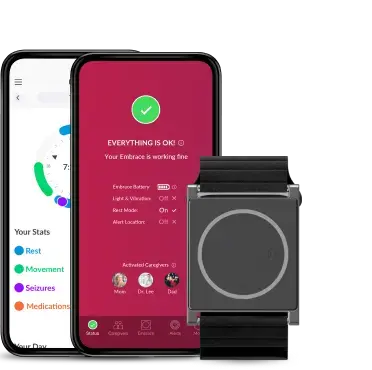
Empatica's Actigraphy covers both ends of this checklist. EmbracePlus, the flagship wearable of the FDA-cleared Empatica Health Monitoring Platform, combines five sensors — PPG, EDA, accelerometer, gyroscope, and skin temperature — to support actigraphy alongside cardiorespiratory and other physiological endpoints, with dedicated Actigraphy Pro and Actigraphy Optimized sensor modes and up to 28 days of continuous battery life.
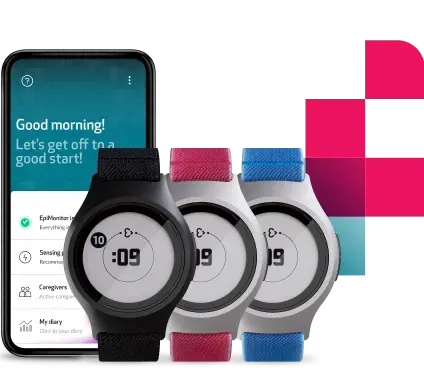
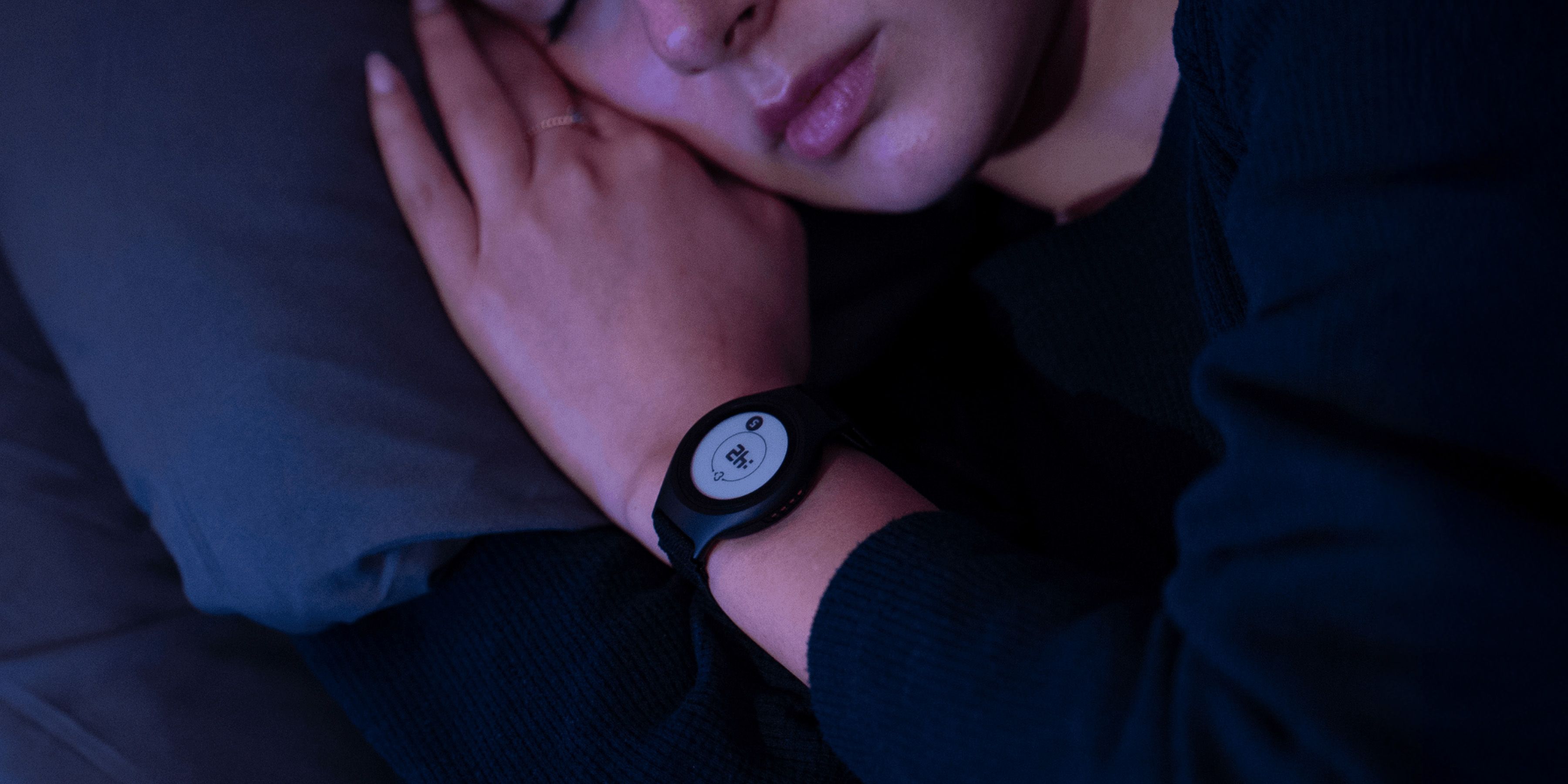
EmbraceMini, cleared by the FDA in December 2025 for sleep monitoring and actigraphy-based assessment of sleep and physical activity, is a purpose-built, ultra-compact alternative — about the size of an AA battery — built around four sensors (accelerometer, gyroscope, magnetometer, and ambient light) with at least seven days of battery life and access to over 200 digital measures spanning activity, sleep, gait, and light exposure. Empatica supports simultaneous multi-device data collection, which means sponsors can pair EmbraceMini with EmbracePlus on the same participant to combine actigraphy with cardiorespiratory data, or deploy two EmbraceMini units at different body locations for richer movement analysis.
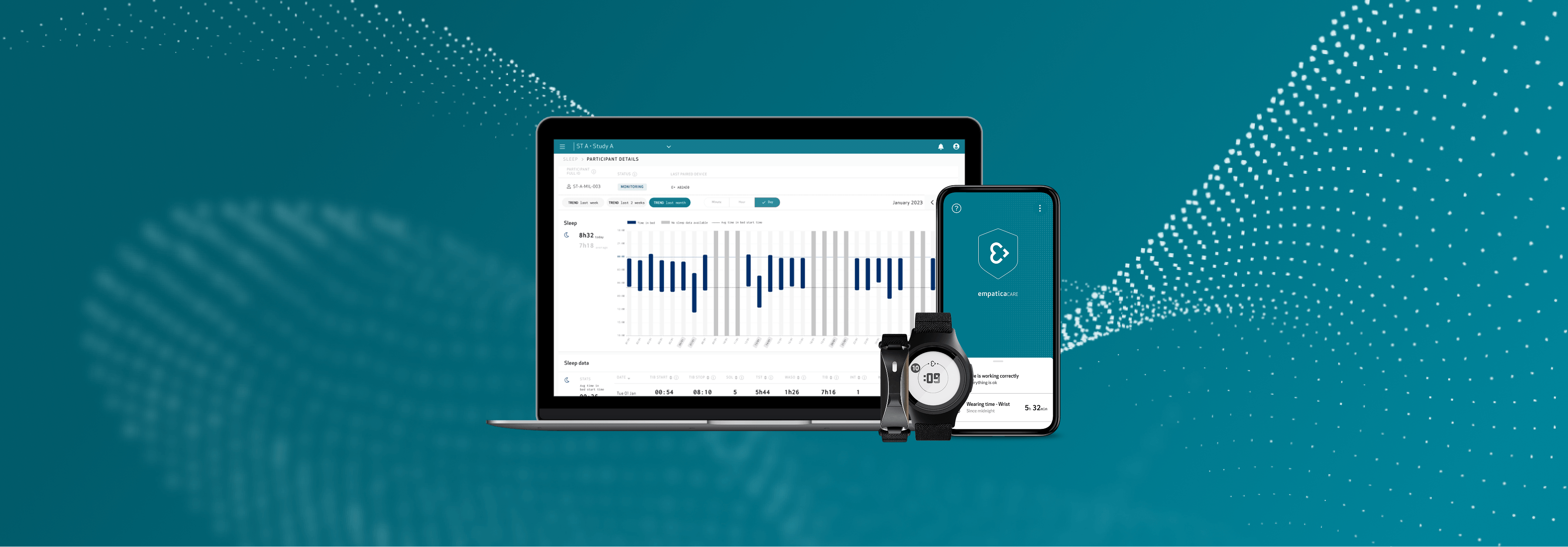
Both devices stream raw data and validated digital biomarkers to the same Empatica Health Monitoring Platform, so switching between form factors, or combining them, doesn't mean switching software, data pipelines, or clinical support teams.

Consumer wearables have gotten better at detecting sleep and wake, but a regulated trial needs continuous collection under real-world conditions, transparent and stable algorithms, access to raw data, and a manufacturer that can stand behind its device with regulatory documentation and clinical support. That's the case for choosing a purpose-built, FDA-cleared actigraphy platform over a consumer device repurposed for research — not because consumer wearables are inaccurate, but because "accurate enough for me" and "valid enough for a regulatory submission" are different bars.
To talk through which sensor configuration and wear location fits your study design, reach out to our team.